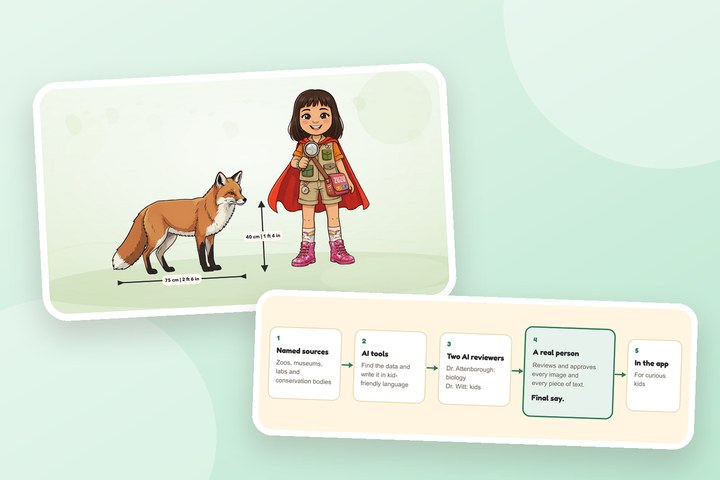
If you're a parent, you may be wondering what it means when an app is made with the latest technology. For Wild Atlas, it means we use AI tools to help us do things a very small team couldn't do otherwise, like finding animal facts, turning them into child-friendly writing, and making a huge number of pictures. It also means we're careful, because your child will believe what we tell them.
This post shows how it works, step by step.
The short version
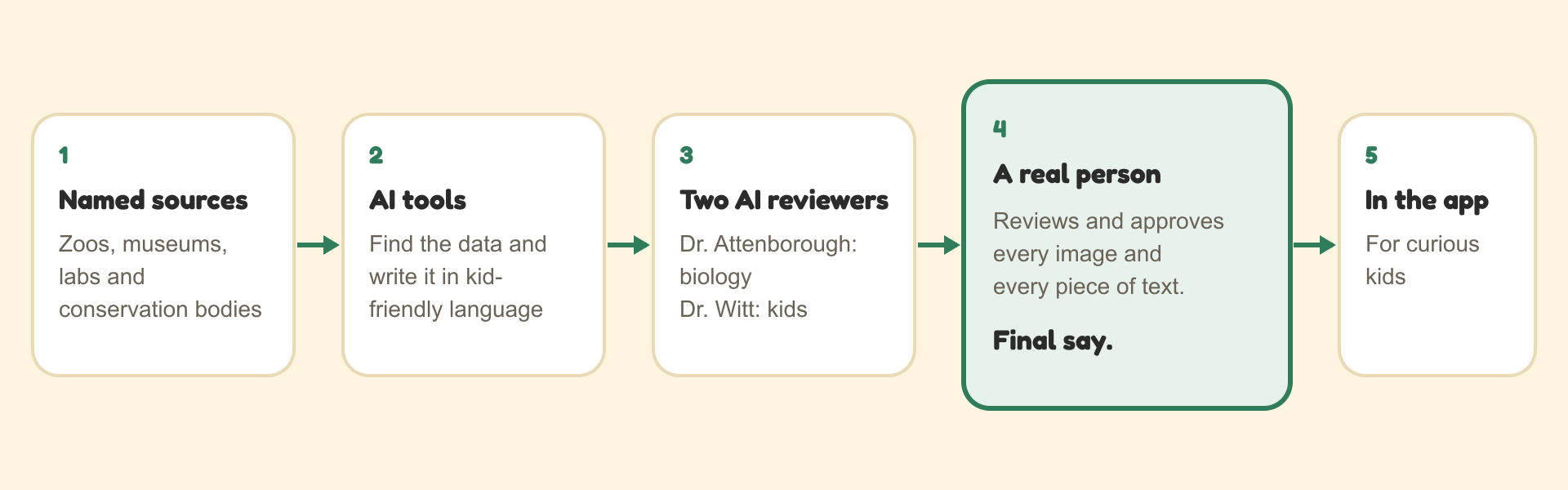
- Every animal's facts come from named sources. The full list is on our Sources page.
- AI tools help us find the data and turn it into child-friendly writing.
- Two AI reviewers we've trained for the job do a first pass on everything.
- A real person reviews every image and every piece of text in the app before it goes out.
- If you spot something wrong, tell us. We'll check it and fix it.
Why we build with AI
Wild Atlas is a small team making an app that gets kids curious about real animals. Each animal comes with illustrations, size and weight comparisons, narration, quizzes and little animations, across hundreds of animals.
A few years ago, an app like that needed a big studio. AI tools let a very small team build something this carefully made, with the time and attention kids deserve. The imagination, the taste and the decisions are still human. AI does a lot of the heavy lifting between the idea and the finished page.
That only works if you can trust what's on the screen. Here's how we earn that.
Where our facts come from
Every animal starts with its sources, not with an AI's memory. We use AI tools to help us find the data, and we keep a record of where each fact came from: the publisher, the page, and which facts it covers.
We draw on the IUCN Red List, San Diego Zoo Wildlife Alliance, the Smithsonian, the Cornell Lab of Ornithology, AmphibiaWeb, the U.S. Fish & Wildlife Service, CITES, the American Kennel Club and the Cat Fanciers' Association. We use GBIF, Wikidata and Wikipedia to make sure we've matched the right species, so an animal is the same animal in every language.
The whole list, and what we use each source for, is on our Sources page.
How the words get written
Once the facts are in, we use AI tools to turn them into child-friendly language and writing: the summaries, the fun facts, the "did you know" moments. Every animal is written at two levels, one for younger explorers (about 2 to 5) and one for older explorers (about 6 to 10).
All of that writing goes through one process, so the same rules apply in every language. That includes how we compare an animal's size and weight to a child, and which measurements each country uses.
Two AI reviewers, then a person
Besides our own review, we have two AI agents we've trained for specific jobs.
Dr. Attenborough checks biological accuracy. He's named in tribute to our favorite naturalist, Sir David Attenborough. Every number gets flagged to be checked against a source. Every draft is run against a checklist of animal myths that are easy to repeat by accident. We're glad to say an elephant mourns or a crow uses tools, because there's real science behind it. We won't say a wolf "decided to be cruel", because animals don't make moral choices that way.
Dr. Witt checks anything to do with kids. He works from a written rulebook: we don't claim anything about how children learn or grow unless it can be backed up or carefully hedged, and every claim is matched to the right age group.
They are our additional eyes. They do the first pass, before a person looks at anything, and they often filter out incorrect facts or flag issues for us to look at and approve one way or the other. Every image and every piece of text we create goes through them. There is never a time when they don't look at the content before it goes out.
Then a person takes over. A real person reviews every image and every piece of text in Wild Atlas before it goes out. The reviewers are a second pair of eyes. The person always has the final say.
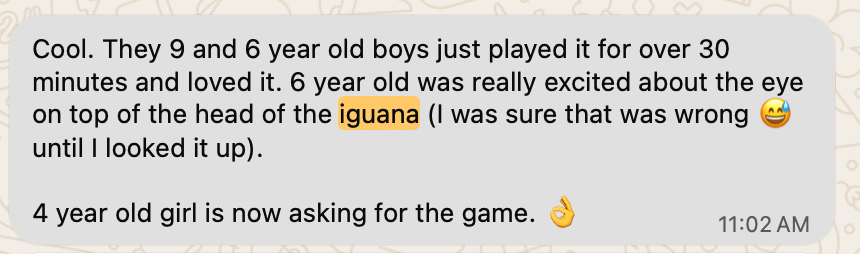
Sometimes the system surprises us in a good way. A friend of ours told us his six-year-old was thrilled to learn that the iguana has an eye on top of its head. He was sure that was wrong until he looked it up. It's true: iguanas have a third eye on top of the head that senses light and shadow. Scientists think it may help them notice a shadow passing overhead, like a bird of prey. Hearing that a fact we'd checked was one a parent doubted, and then confirmed, is the best kind of feedback.
How the pictures are made
Our animal pictures are made with AI image tools, and each one starts from the animal itself. The prompt for an "animal in action" photo is built from what we know about that animal. If its facts say it's known for leaping, the picture shows it leaping, in the sort of place it actually lives. We ask for the right adult anatomy, natural colouring and a true-to-life pose, and we rule out things that don't belong: cartoons, text, people and extra animals.
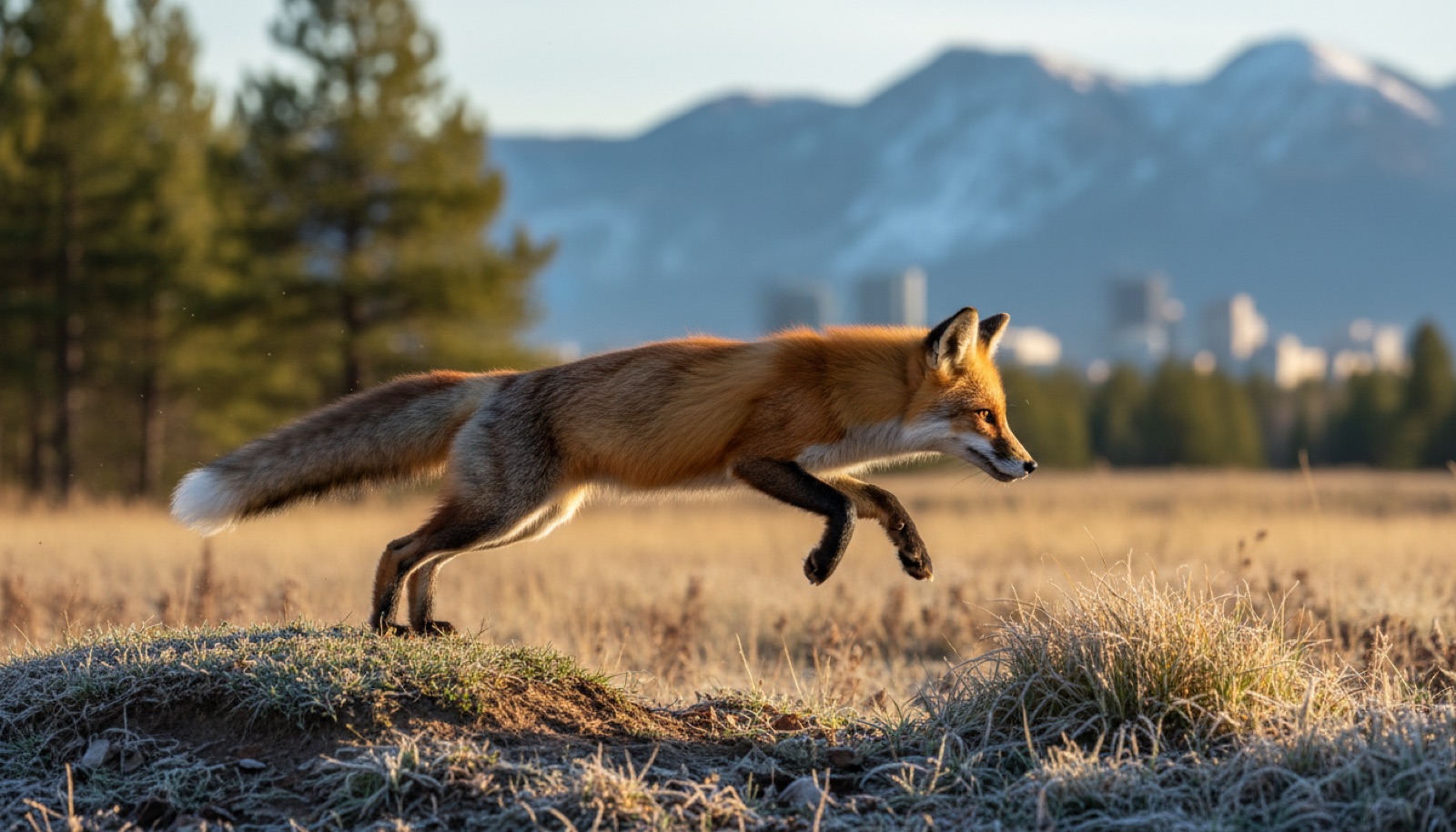
Then a person checks every picture. Every single one. If the species looks off, the anatomy is odd, or the face wouldn't read well to a three-year-old, it goes back and gets redone.
"How big am I?" and "How heavy am I?"
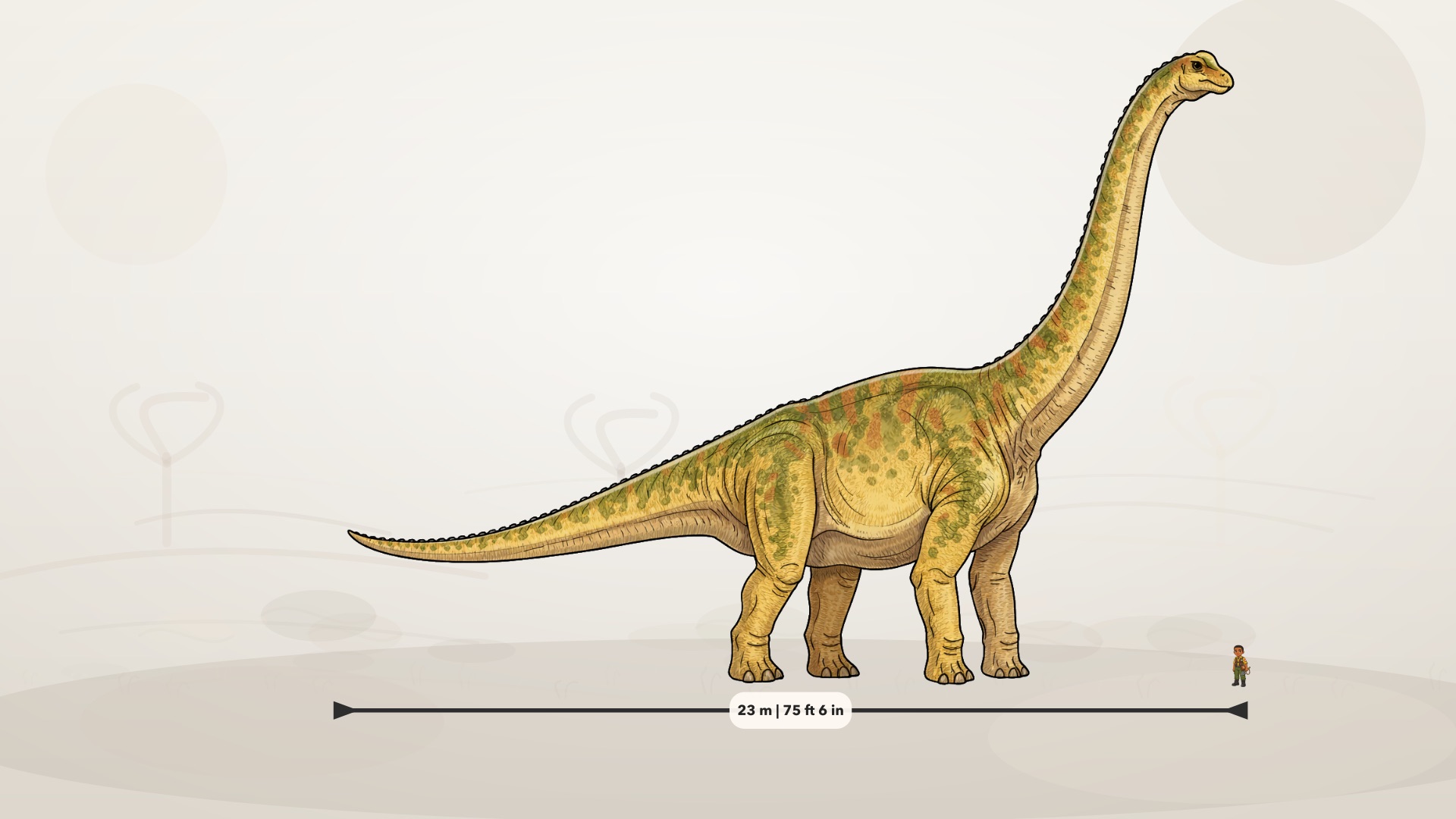
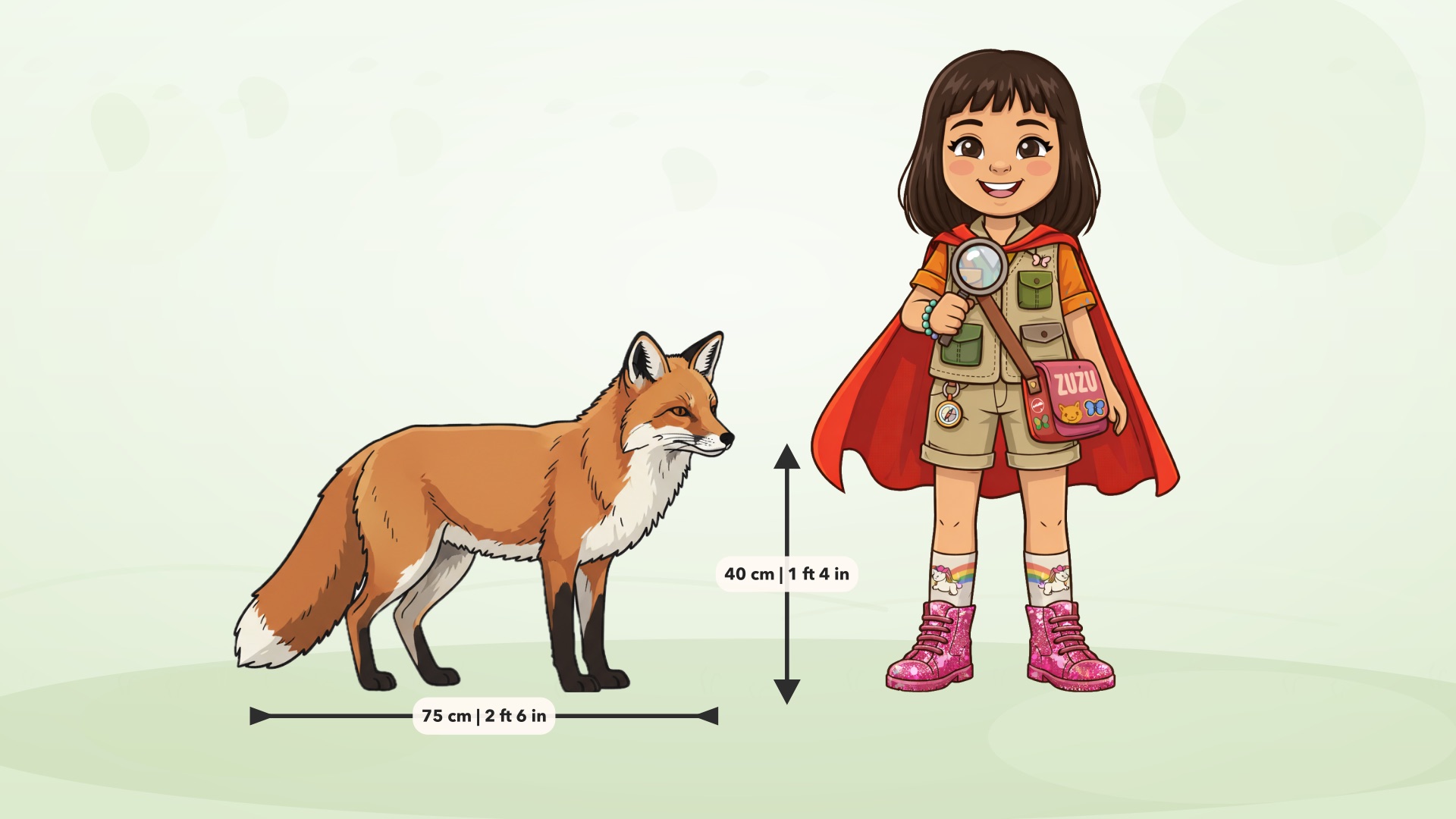
Kids love comparing themselves to animals, and these are the easiest pictures to get wrong. AI tools are good at making a picture of a brachiosaurus, but not at knowing how big one is next to a child. Left to guess, they get scale badly wrong.
So we don't let them guess. For each animal we build an exact layout from its measurements first. Then an image model paints over that layout in our house style, holding the shapes and proportions fixed. A person reviews each result for the right body shape and the right size comparison before it goes in. For the dinosaurs, the true sizes surprised even us (and because a dinosaur like Brachiosaurus is known from incomplete fossils, its length is a careful estimate, not an exact measurement), so we double-checked with measurements outside our own image tools.
Come and find a mistake
We'd rather you check than simply trust us. Our sources are public. Our review steps are written down. And the app has a feedback button for content, so if you ever find something that looks wrong, tell us and we'll check it against the source.
Since the app came out, we've had just a couple of content reports from families. That's encouraging, but we're not going to claim we're perfect. Wild Atlas is for curious kids, and curious grown-ups are welcome to check our work.
 Subscribe and the Farm Friends pack ($3.99) is free — yours to keep even if you unsubscribe.