 Free Farm Friends pack for newsletter subscribers →
The dangerous ones. The venomous ones. The enormous ones. And why those questions are exactly the right place to start.
Most parents know the moment. An animal comes up — on screen, in a book, at the zoo — and before you can say anything, your child wants to know if it could kill something. Then: is it venomous? How big does it get? What does it look like as a baby?
It turns out there's good science behind why those questions come first.
Research from evolutionary psychology suggests it's deeply wired. A 2014 study by Yorzinski and colleagues, published in Evolutionary Psychology, found that humans detect and sustain attention on snakes and other threatening animals faster than non-threatening ones — a bias that likely developed because the cost of missing a predator was historically far higher than the cost of a false alarm. A 2012 study by Barrett and colleagues, published in Evolution and Human Behavior, found that children retain verbal information about an animal's dangerousness better than information about other ecological traits — and that this held true across children from both Los Angeles and the Ecuadorian Amazon.
In other words: children ask about danger first because their minds are built to. The question isn't a distraction from the facts. It is the fact that makes everything else stick.
Wild Atlas was built around exactly this. Every animal in the app answers the questions children actually ask — including a distinction that surprises most adults: dangerous and venomous are not the same thing.
Wild Atlas rates every animal across two separate dimensions, each with its own dedicated guide inside the app. Venomous is a biological fact — does the animal produce and deliver toxin through fangs, stingers, or spines? Dangerous is a behavioural assessment — does this animal pose a genuine risk to humans, accounting for its size, predatory nature, temperament, and documented encounters? An animal can score high on one and low on the other, high on both, or neither. The king cobra, for instance, is extremely venomous and rarely dangerous. The orca is extremely dangerous and not venomous at all. Getting children comfortable with that kind of nuanced thinking — rather than a single binary "scary / not scary" — is one of the things Wild Atlas was built to do.
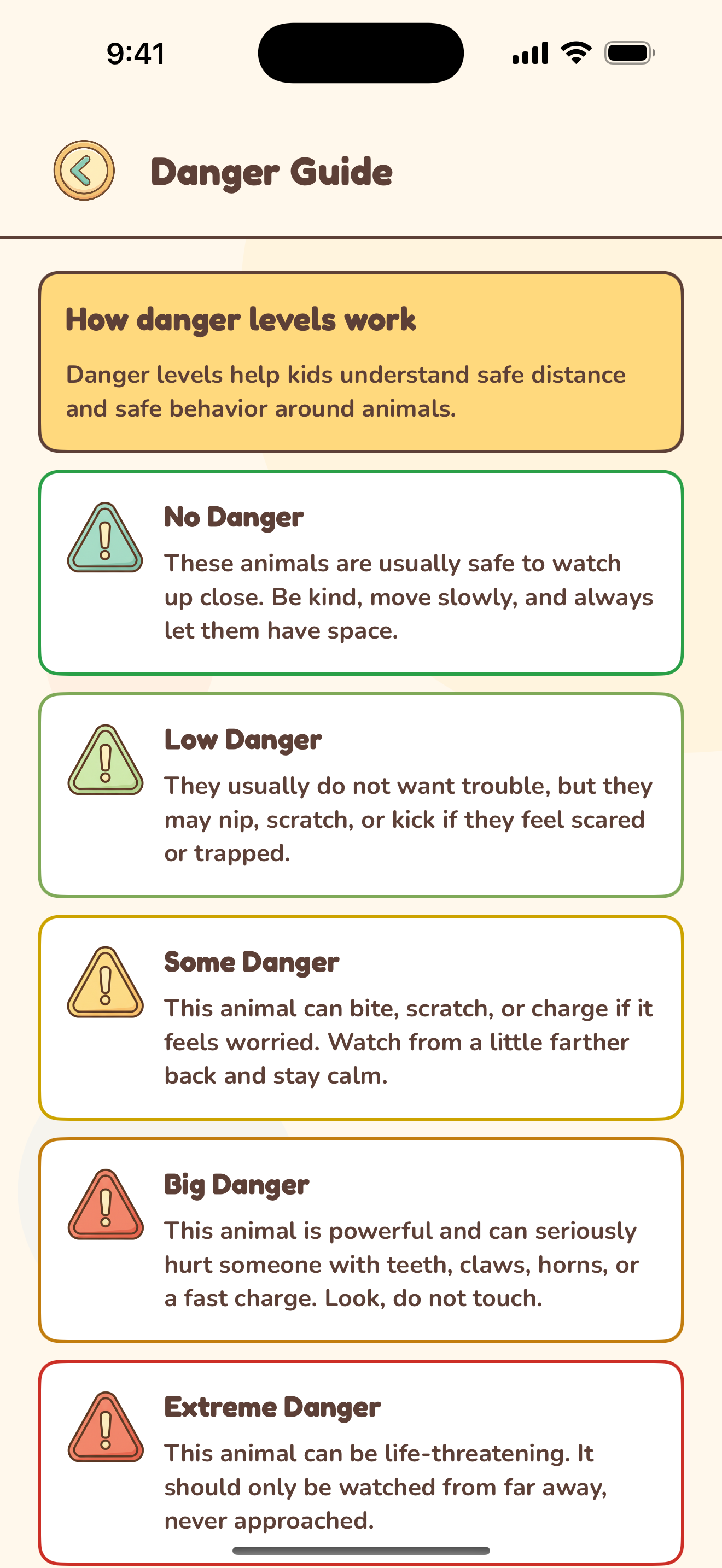
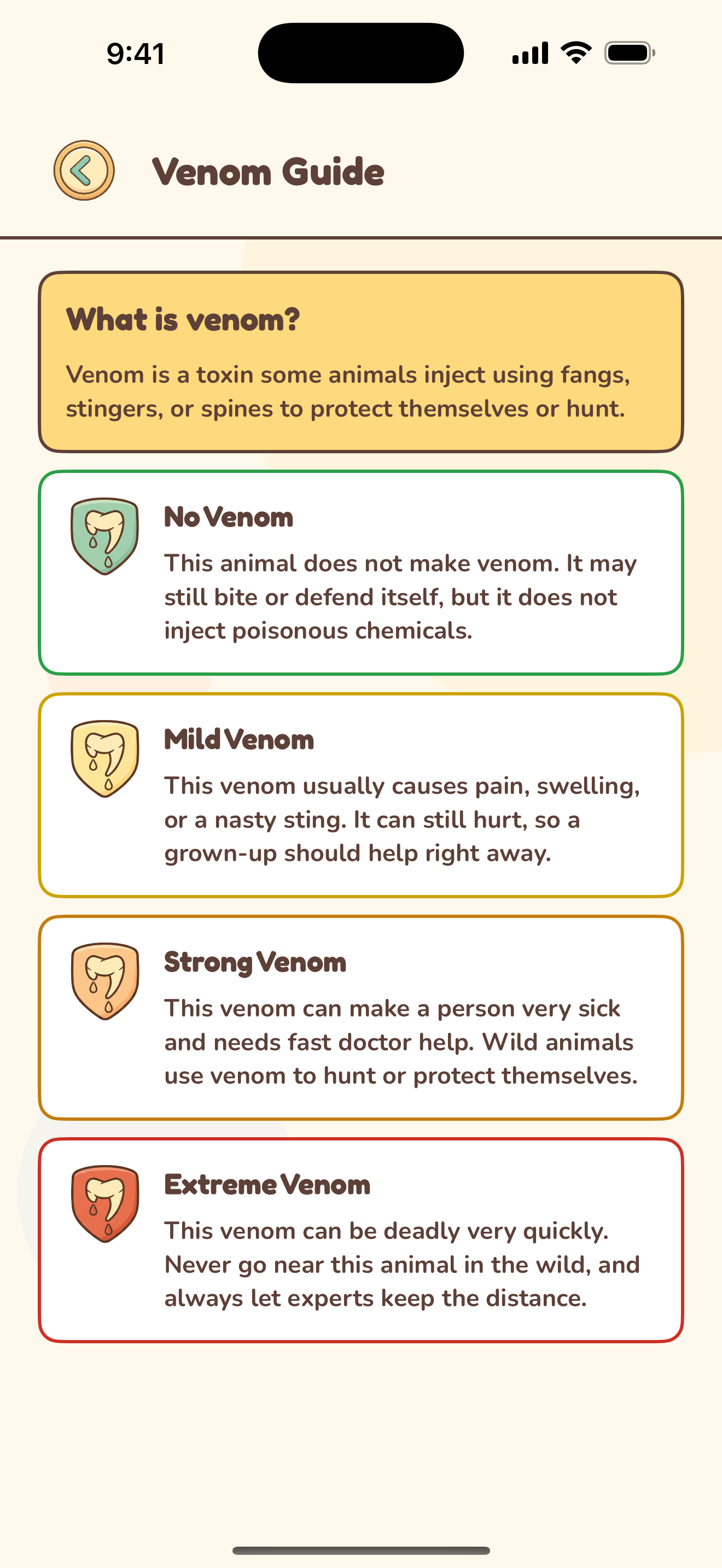
Here are three animals that show why that distinction matters.
The Orca: Apex Predator, Zero Human Kills in the Wild
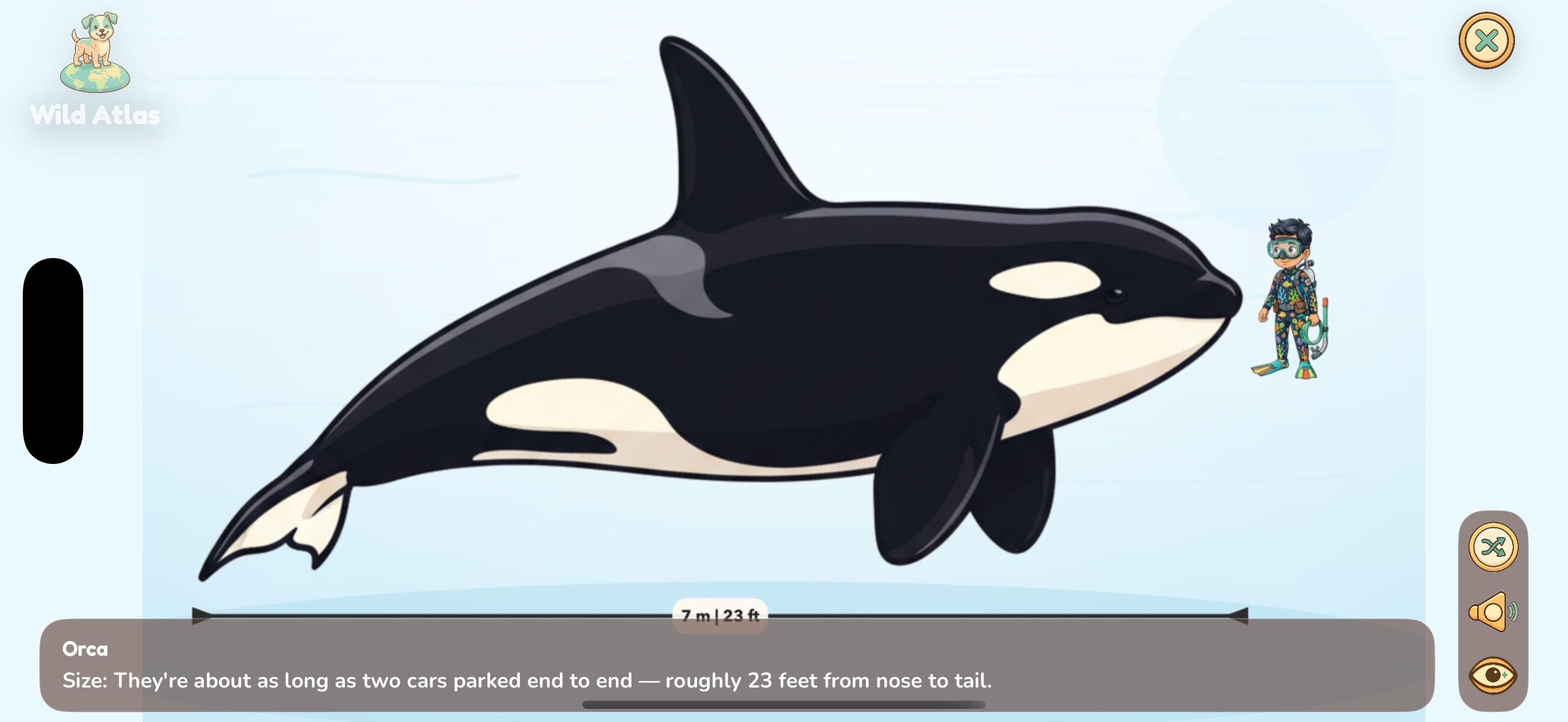
An adult orca reaches up to nine metres in length and six tonnes in weight — heavier than a fully loaded school bus, capable of swimming at 56 kilometres per hour. It is the apex predator of every ocean on Earth, hunting in coordinated family groups using techniques passed between generations.
Is it dangerous? In Wild Atlas terms: yes. It is the most powerful predator in the ocean. Is it venomous? No. Orcas have no venom of any kind.
The fact that stops most people: there are no verified records of a wild orca killing a human being. The leading explanation among researchers is that orcas are intelligent enough to distinguish humans from prey, and simply don't see us as food.
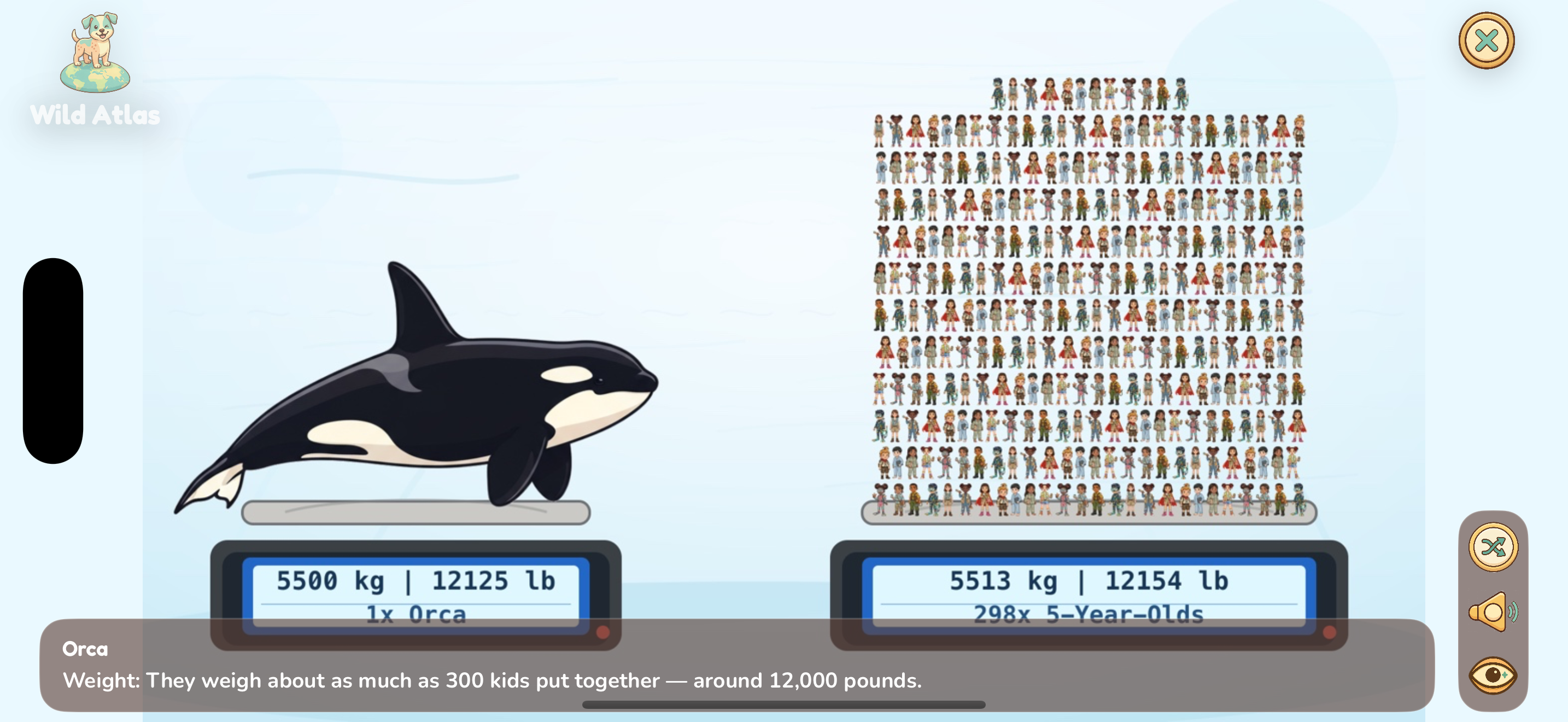
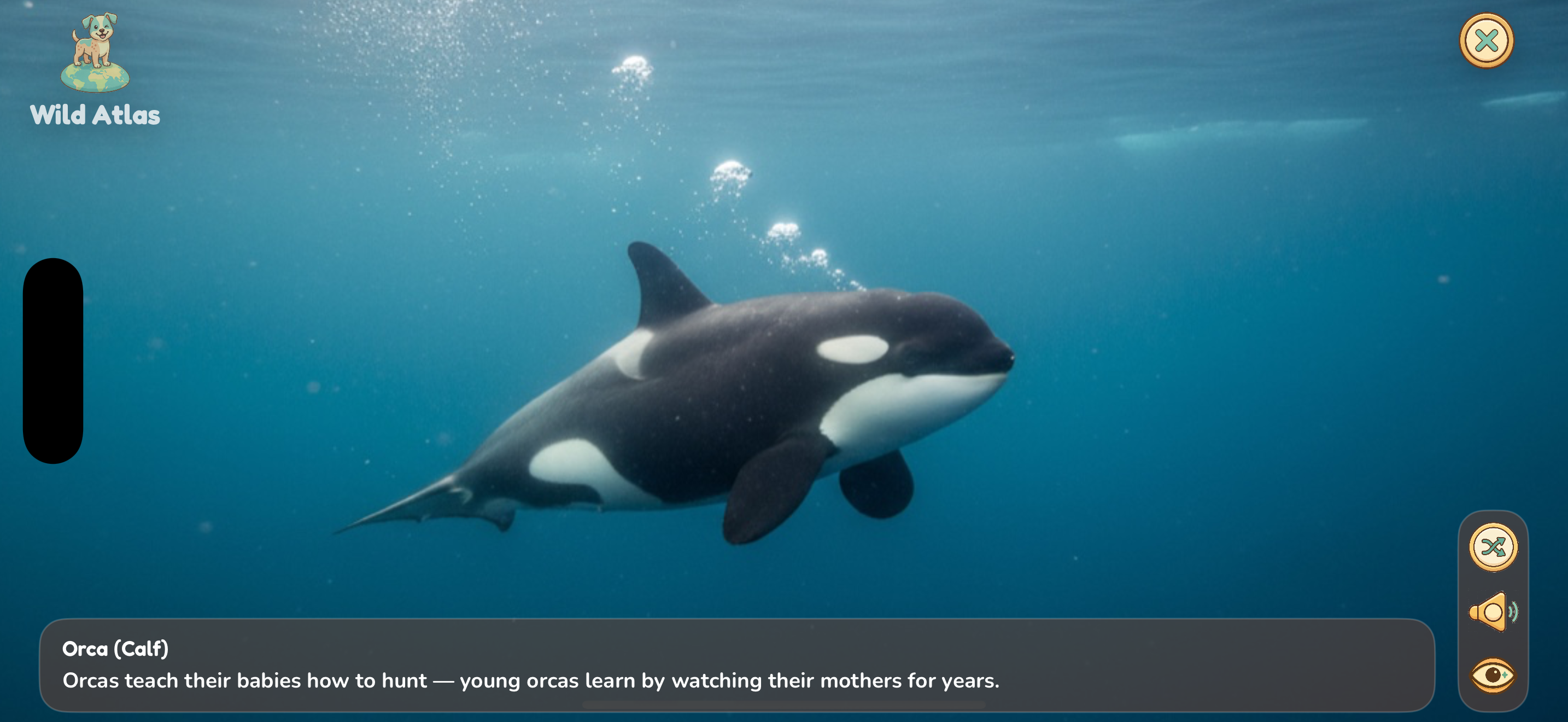
The baby question: Orca calves are born tail-first — so they don't inhale water during birth — at around 2.5 metres long and 180 kilograms. The other females in the pod help the calf to the surface to breathe within seconds of birth.
The King Cobra: Venomous Is Not the Same as Dangerous
This is where the distinction earns its place.
The king cobra is the world's longest venomous snake, reaching up to five and a half metres. A single bite delivers up to 500 milligrams of neurotoxic venom — enough, according to herpetologists, to kill twenty people. The venom attacks the respiratory centres of the brain. Without treatment, death can occur within hours.
Is it venomous? Extremely. By volume of venom per bite, it is among the most formidable snakes on Earth. Is it dangerous? This is where Wild Atlas makes the distinction that matters: the king cobra is responsible for fewer than five human deaths per year globally. It is a shy animal that actively avoids humans. Aggression almost always occurs when a cobra is cornered or accidentally stood on.
The venom capacity is extraordinary. The behaviour toward humans is, by default, avoidance.
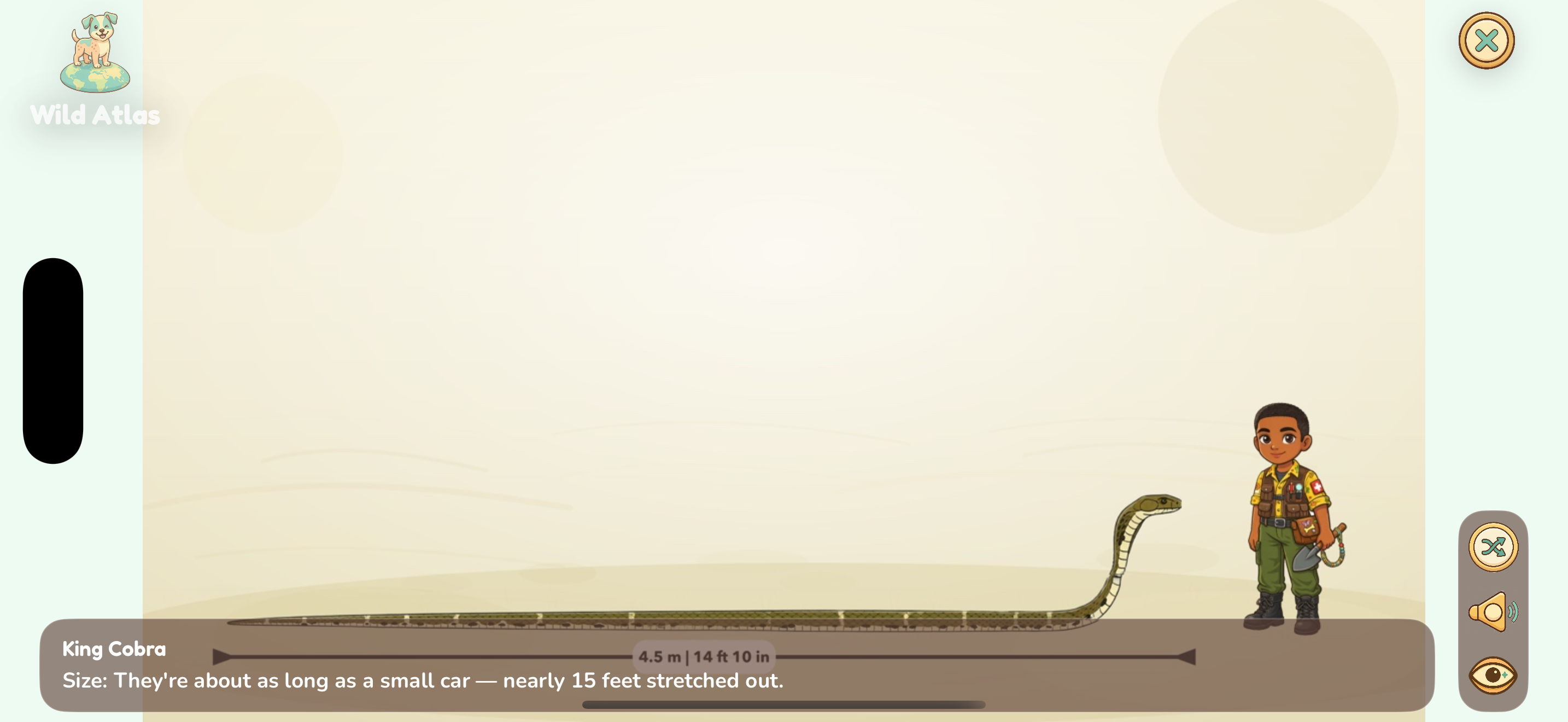
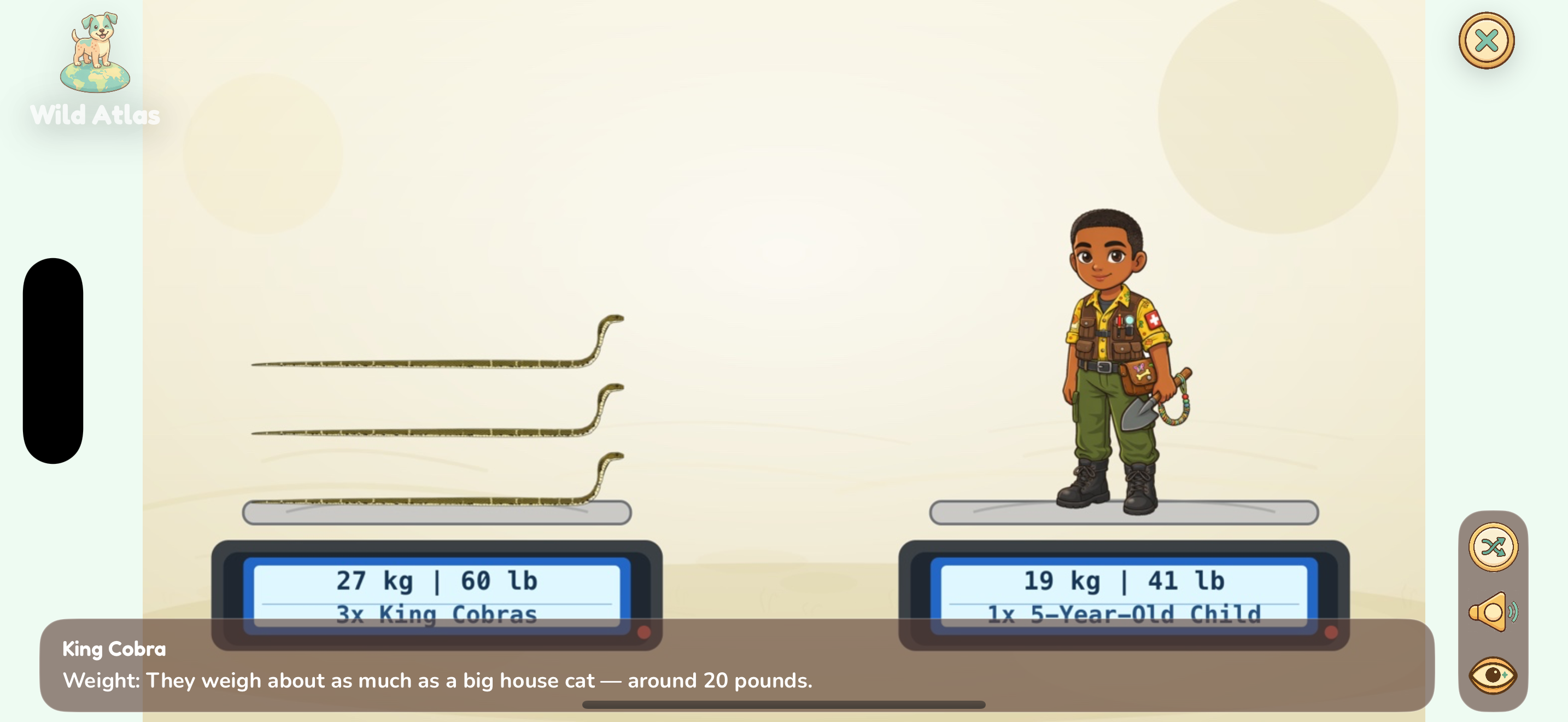
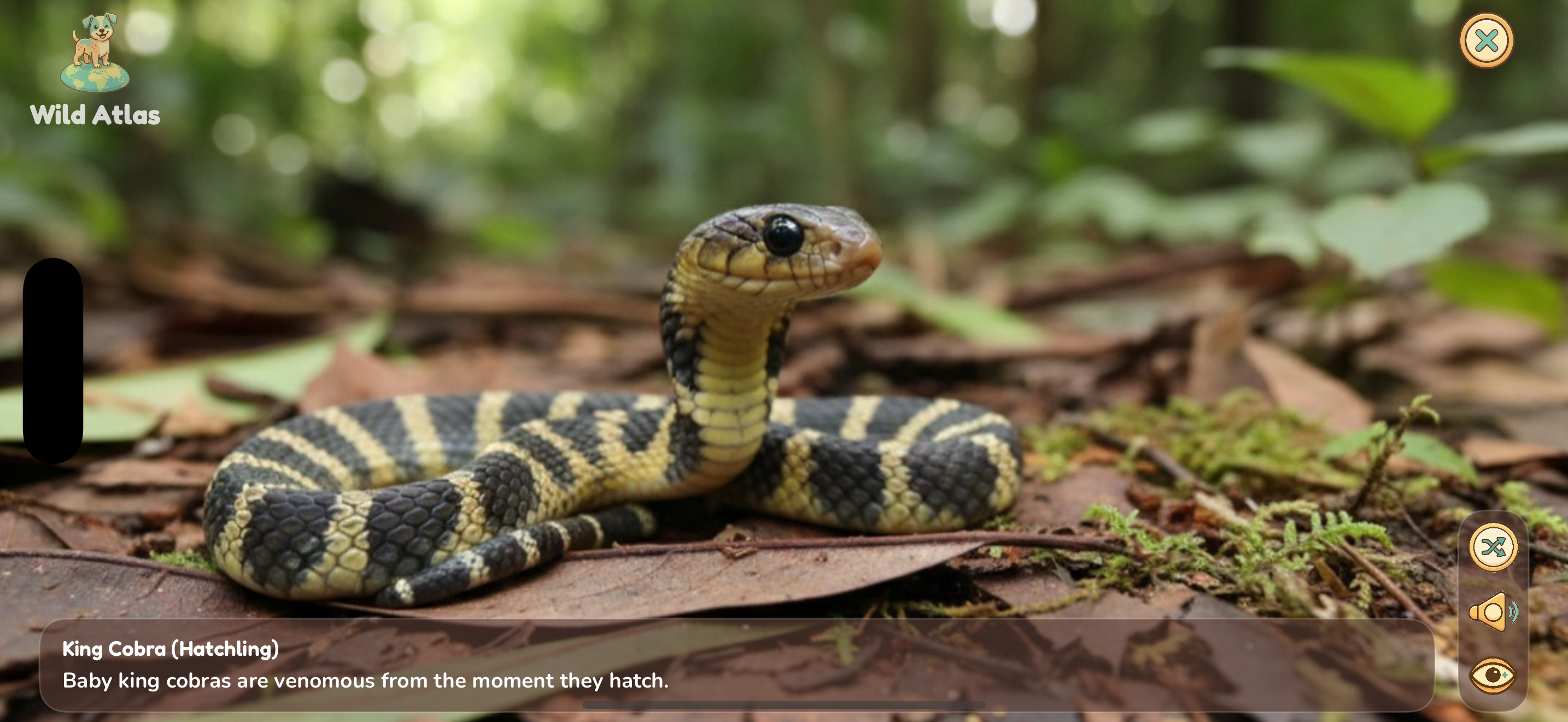
The baby question: King cobras are the only snakes known to build nests for their eggs and guard them until hatching. The female stays with the nest for two to three months — one of the few snakes to exhibit this level of parental behaviour.
The Chinchilla: Softest Animal on Land
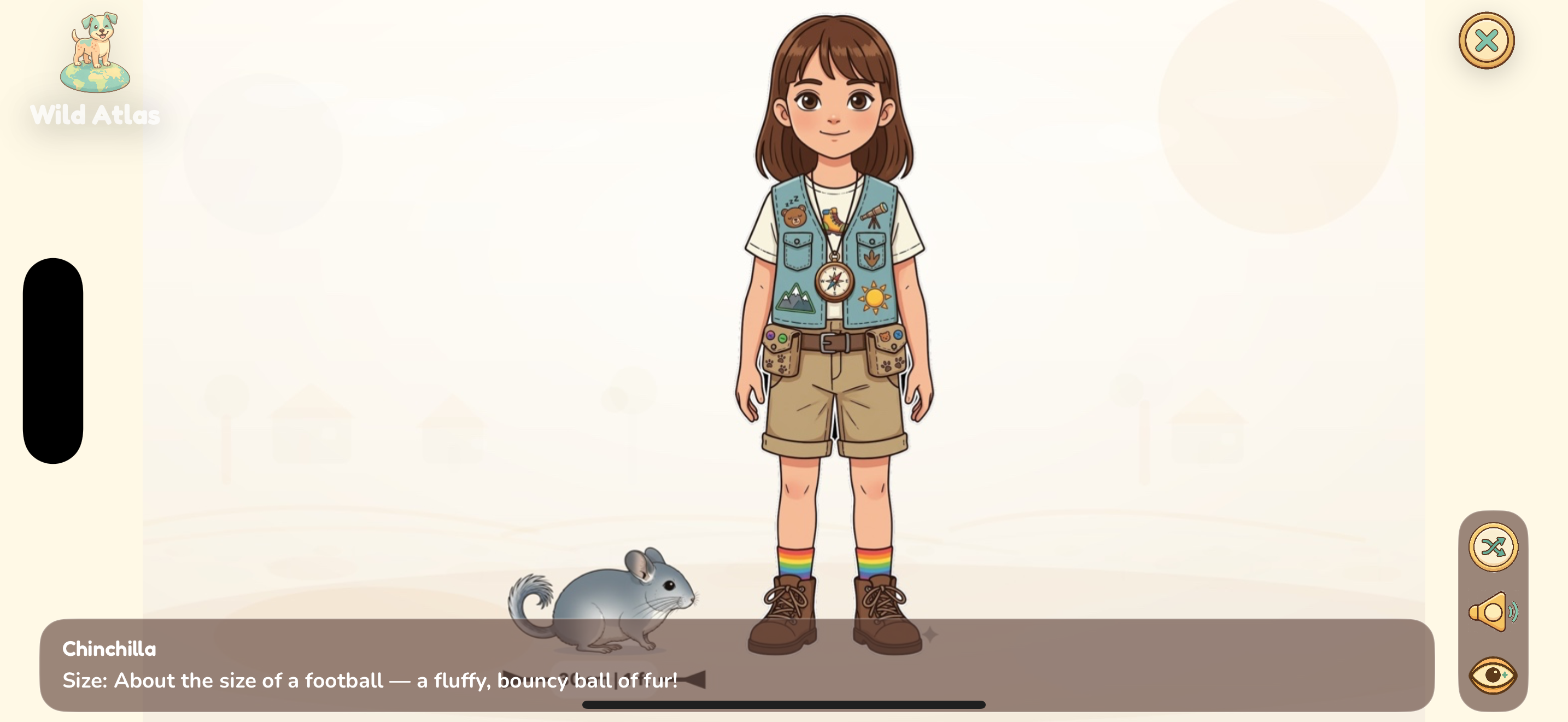
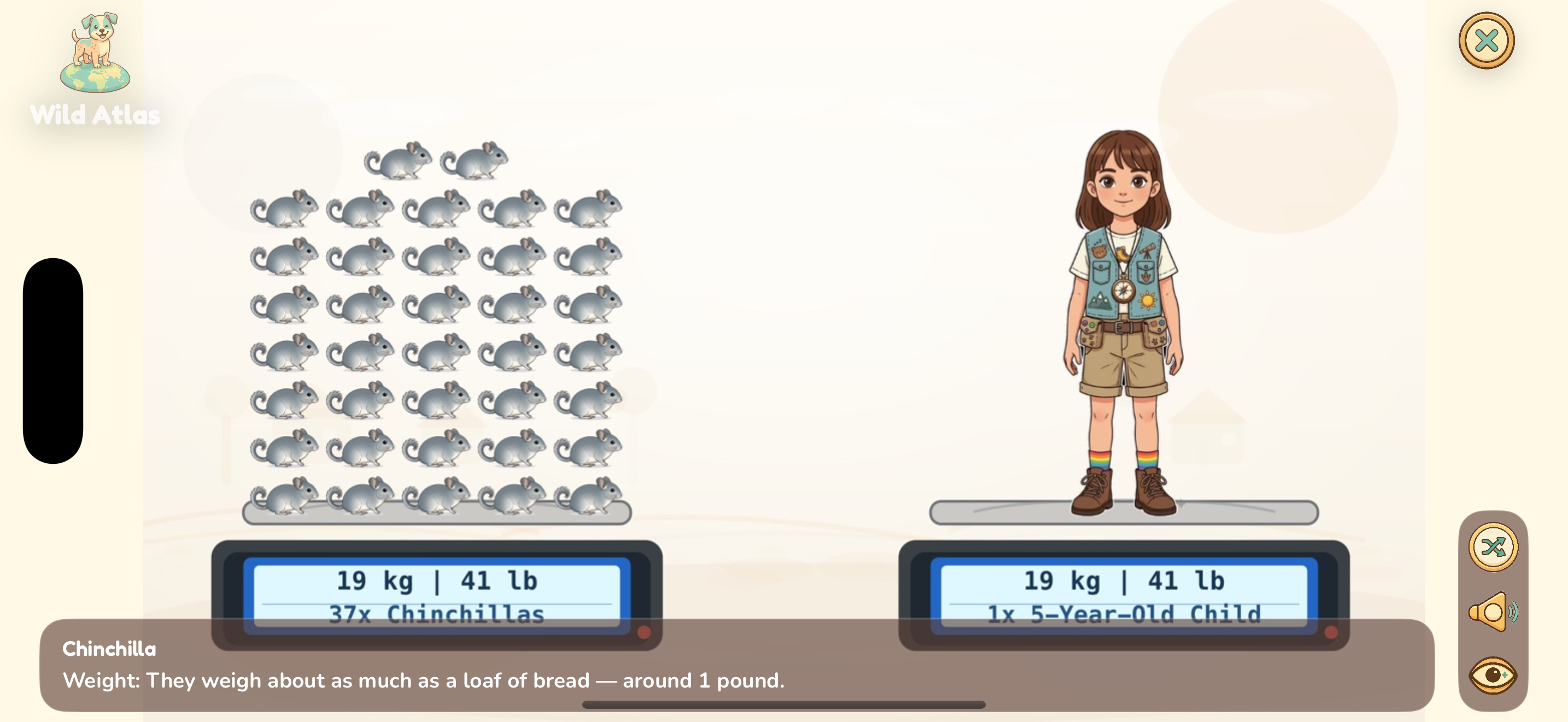
A chinchilla weighs between 400 and 600 grams. That is roughly the weight of a tin of soup.
Is it dangerous? No. Is it venomous? No. Is it, gram for gram, producing the finest fur of any land mammal on Earth? Yes.
Where a human hair follicle grows a single strand, a chinchilla follicle grows between 60 and 80. The coat is so dense it is effectively waterproof — which creates a problem: a wet chinchilla cannot dry out properly and risks fungal skin infections. So chinchillas bathe in fine volcanic dust instead, rolling in it to absorb oils and keep the coat clean.
Native to the rocky slopes of the Andes in South America, wild chinchillas live at altitudes of up to 4,270 metres — the height of the European Alps. Both wild chinchilla species are listed as Endangered on the IUCN Red List, largely due to over-trapping in the 19th and early 20th centuries for the fur trade.
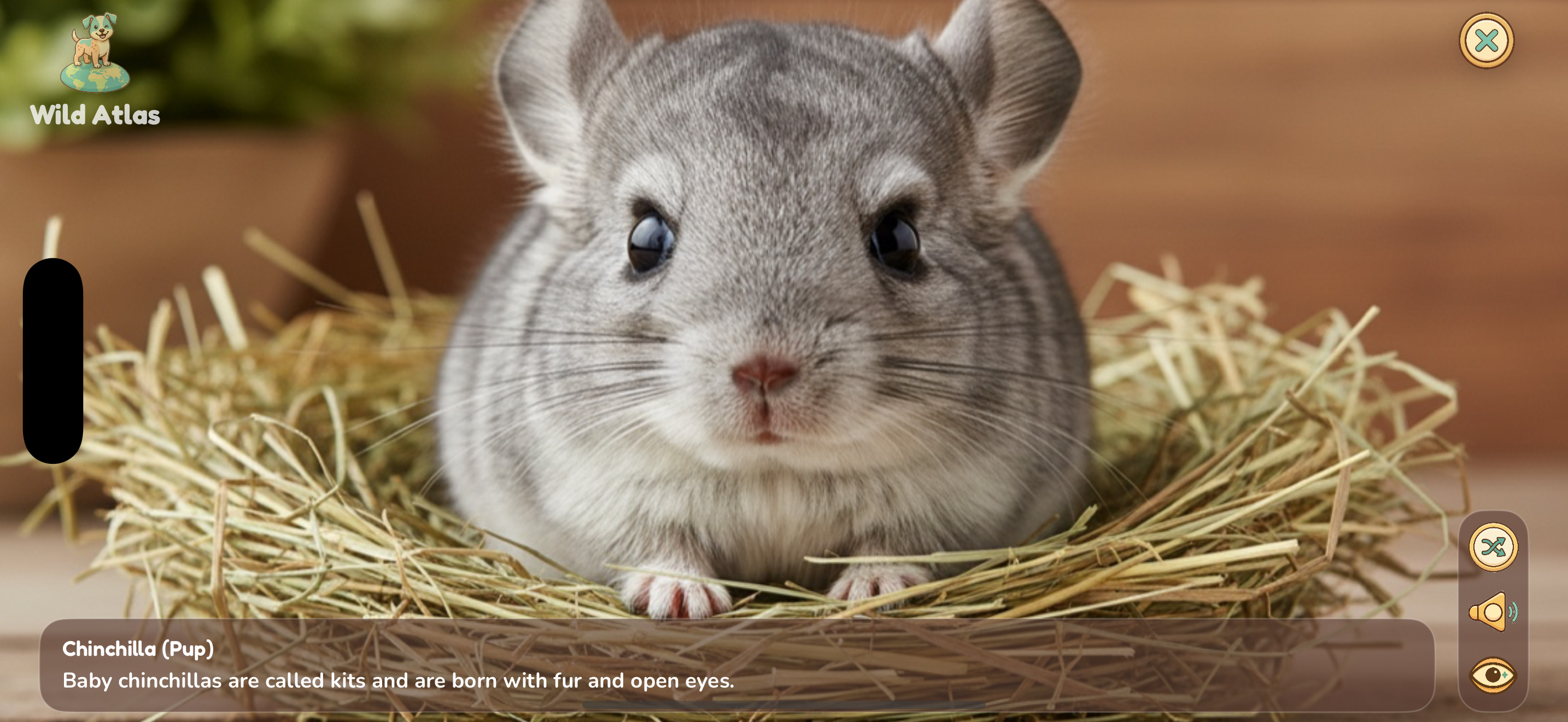
The baby question: Chinchilla kits are born fully furred, with their eyes open, and able to run within hours. They look, from birth, like tiny perfect adults.
Why These Questions Are the Right Ones
The research points in a consistent direction: the questions that feel most visceral — is it dangerous, is it venomous, how big is it — are also the questions that tend to make facts more memorable. Not because fear is a teaching tool, but because these questions connect an animal to something that matters. Size, threat, survival. The same things that have mattered to every curious mind, at every age, throughout human history.
Wild Atlas was built to answer them honestly — with the same rigour and warmth that the best nature documentaries bring to the screen. Every animal carries both labels where they apply, and neither where they don't. Because a child who knows the difference between venomous and dangerous has a sharper question to ask next time.
Wild Atlas is available now on the App Store. Three animal packs are free, forever.
Sources: Yorzinski et al. (2014), Evolutionary Psychology; Barrett et al. (2012), Evolution and Human Behavior; Smithsonian's National Zoo; PBS Nature.