 Free Farm Friends pack for newsletter subscribers →
On conservation filmmaking, a Botswana expedition, and building the screen time we couldn't find.
There are two children on every long flight. One has gone somewhere else entirely — eyes fixed on a screen, thumb twitching, not quite present. The other is pressed against the window, pointing at the clouds, asking why they look like that.
Most parents have been that first child's parent. You handed over the phone to buy some peace, and at some point you look over and realize your kid isn't watching anymore. They're just scrolling. Tapping. Nowhere. It happens on long flights. It happens in the back seat. It happens in waiting rooms and restaurants and rainy afternoons at home.
Wild Atlas was built for both of those parents — the one who wants something better to hand over, and the one who's tired of feeling guilty about what they already have.
The Problem Was Years in the Making
Our founder, Josh, grew up on documentary film shoots in the South African veld — his parents spent nearly five decades making conservation films, from great white sharks to the elephants of Addo. Wildlife storytelling was the family language.
Josh and his wife had spent years traveling with their kids — long-haul flights, road trips, remote stretches with no Wi-Fi — searching for something worth handing over on a screen. Something calm, genuinely educational, and built for the kind of curiosity a four-year-old actually has. They never quite found it.
Then came Botswana. A 19-day overland expedition through the backcountry — weeks of driving in near-zero connectivity, a 30-hour flight each way. To prepare, Josh bought a Kindle for Kids and spent hours trying to load it with content that matched what the trip would actually demand. The right app would have been everything. It didn't exist.
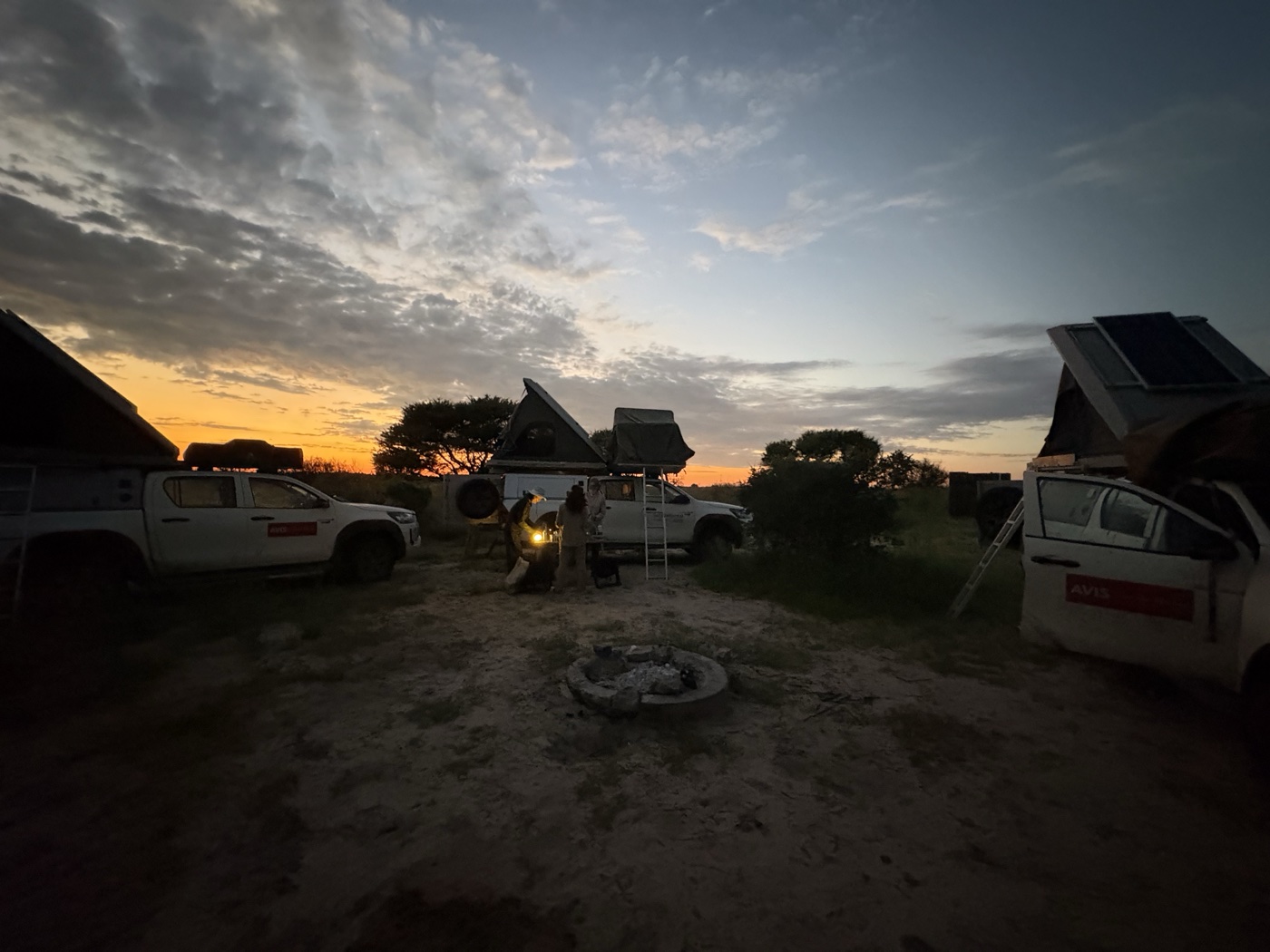
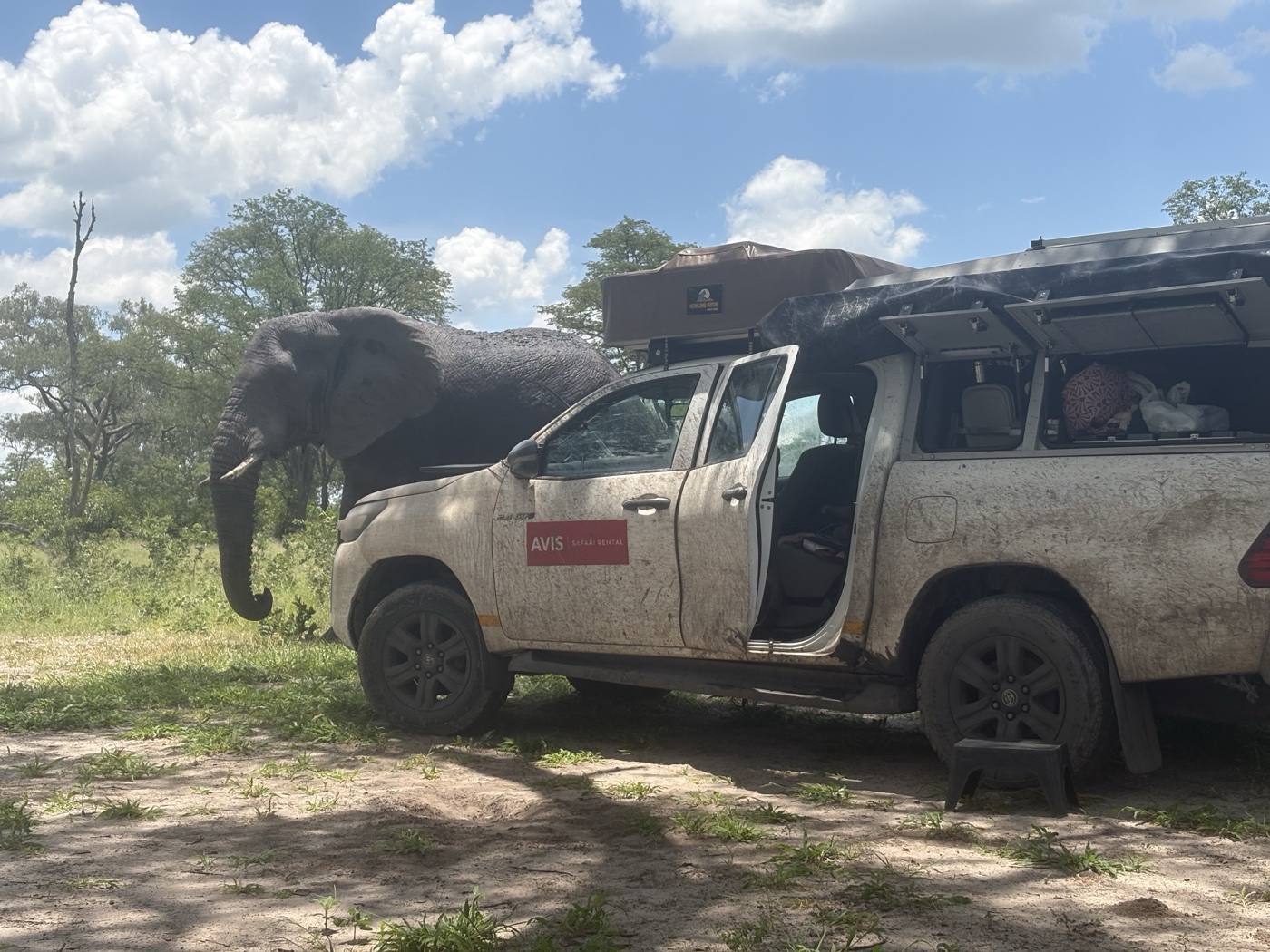
He came home and built it.
Built on Beliefs, Not Features
The early version wasn't a product roadmap — it was a set of convictions. No ads. No algorithm. No subscriptions. Must work offline. Content that respects how kids actually learn, not how engagement metrics say they behave.
His daughter was the primary customer. From day one, she played with the earliest versions while Josh took notes and adapted the design to her feedback. When she scrolled through animal photos but couldn't yet read the text, he built the narration engine — calm, documentary-style storytelling that echoed the films he grew up watching. When she wanted to go deeper, he added age-tuned quizzes and vocabulary games.
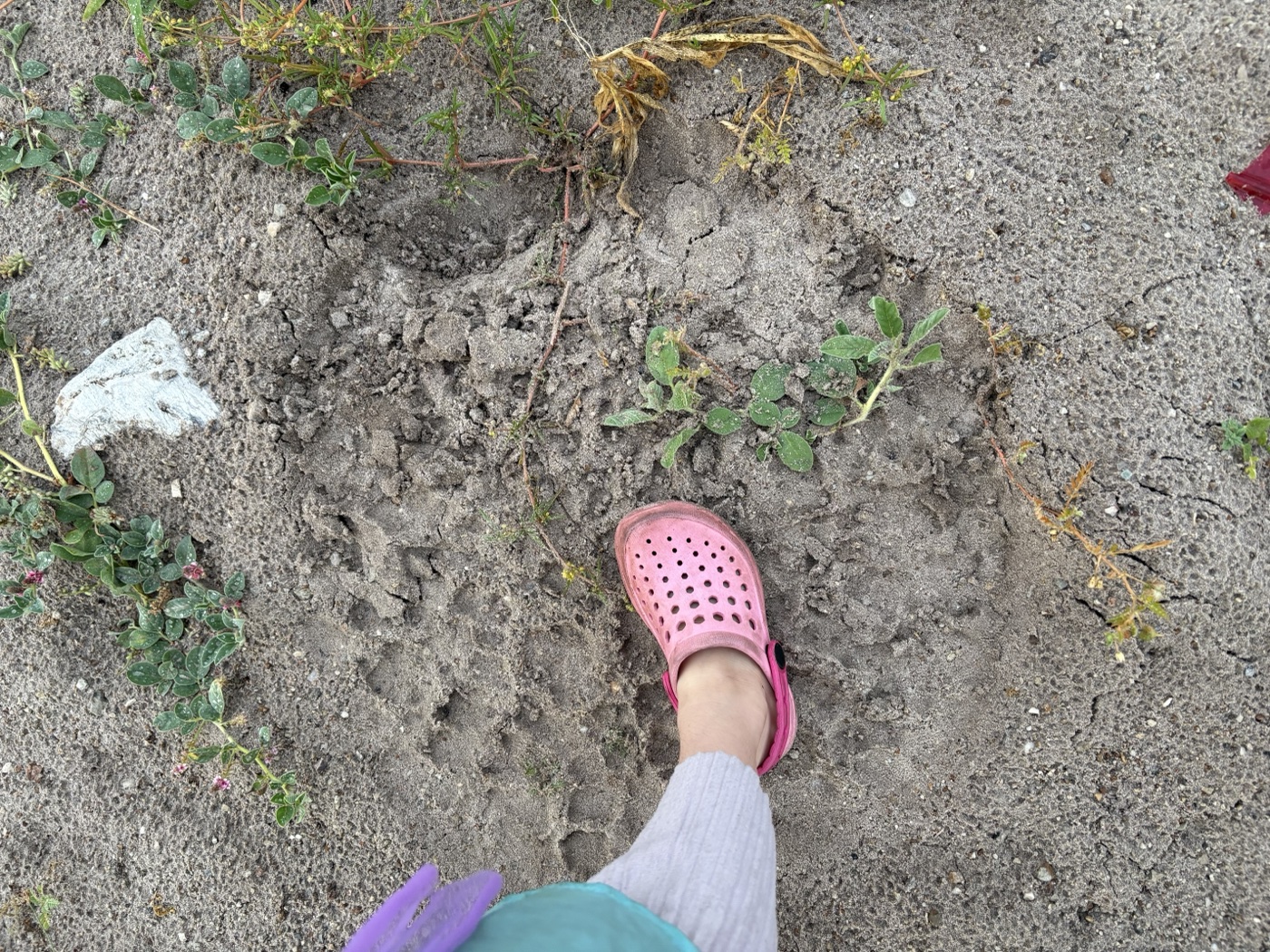
The app was also built to answer the questions every curious kid actually asks. Is it dangerous? Does it have venom? How big does it get? Where does it live? What does it look like as a baby? Those aren't curriculum objectives — they're the questions kids shout at the TV during a nature documentary. Wild Atlas was designed to answer them.
As development continued, the app moved to TestFlight. Some kids asked for a way to track their progress — that became the digital Passport and achievement system. Some parents asked for Mandarin Chinese with Pinyin support, for kids learning the language alongside the content. Every layer of the app evolved from what real families said they needed, not from feature speculation.
The beliefs stayed fixed. The product was built around them.
Where We Are Today
Wild Atlas officially launches June 10, 2026, with twelve animal packs fully localized across six languages — English (US and UK), German, Spanish, French, and Mandarin Chinese.
No subscription. No ads. No algorithm. Three packs are free, forever — and everything else is a one-time unlock, yours to keep. Fully offline. Built for long flights, road trips, and rainy days.
Raise explorers, not scrollers.