Happy Christmas Bird Count! For a few weeks each winter, people all over take a close look at the birds around them and count them. You can too.
About this day: Audubon's bird census, running since Christmas Day 1900, was proposed by ornithologist Frank Chapman. Counts happen across the Americas. Source
What it celebrates
The Christmas Bird Count is a big citizen-science project, which means ordinary people help scientists by noticing and counting what they see. Volunteers count the birds in a set area on one day.
Over more than a century, all those counts have grown into one of the longest-running bird surveys anywhere.
Why it matters
When scientists can compare bird numbers year after year, they learn which birds are doing well and which might need a helping hand. Every kid who counts a chickadee at the window can be part of that big picture.
Fun facts
- The count has been going since Christmas Day 1900, more than 120 years.
- Counters can be new bird watchers or experts, and kids can come along with a grown-up.
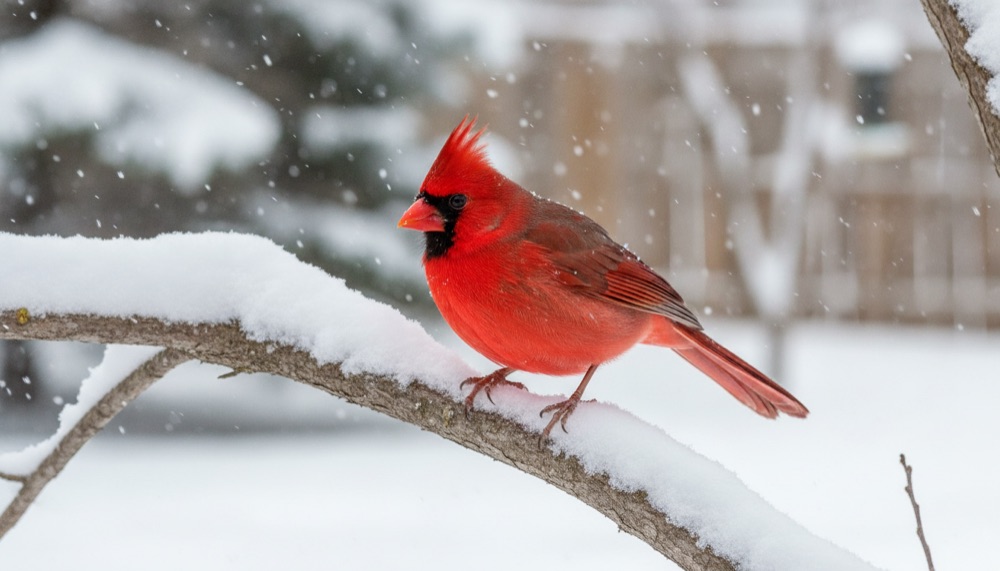
- Many birds stay put through winter, so you may spot cardinals, jays, and robins in the cold.
- A bird's colors and songs can help you tell who's who.
- You don't need fancy gear. Your eyes, ears, and a pencil are enough.
How to join in
Anyone can join. Visit Audubon's page below to find a count near you, and a local organiser can tell you how to take part, often from a park or even your own yard. Counts run for a few weeks around the holidays, and each one has a set day.
No count nearby? Try your own five-minute bird watch: sit by a window, tally the birds you see on paper, and see how your list changes next week.
Want to see animals in real life?
Find places to see animals near me →Keep exploring
In Wild Atlas, meet the Cardinal, Blue Jay, and Robin, all in the Feathered Friends pack. It's a paid pack.
Learn more: Christmas Bird Count, from Audubon
 Subscribe and the Farm Friends pack ($3.99) is free — yours to keep even if you unsubscribe.