Happy Penguin Awareness Day! Every January 20, people pause to think about penguins — and it's good timing, because real emperor penguin chicks are finishing growing up and heading out to sea this very month.
About this day: Penguin Awareness Day's origins aren't well documented, but zoos, aquariums and penguin fans mark it every January 20.
Read this one out loud together — it's short, and it's even better with a waddling walk.
An emperor penguin dad keeps his egg warm on top of his feet for about two months — through the dark Antarctic winter — without eating a single bite.
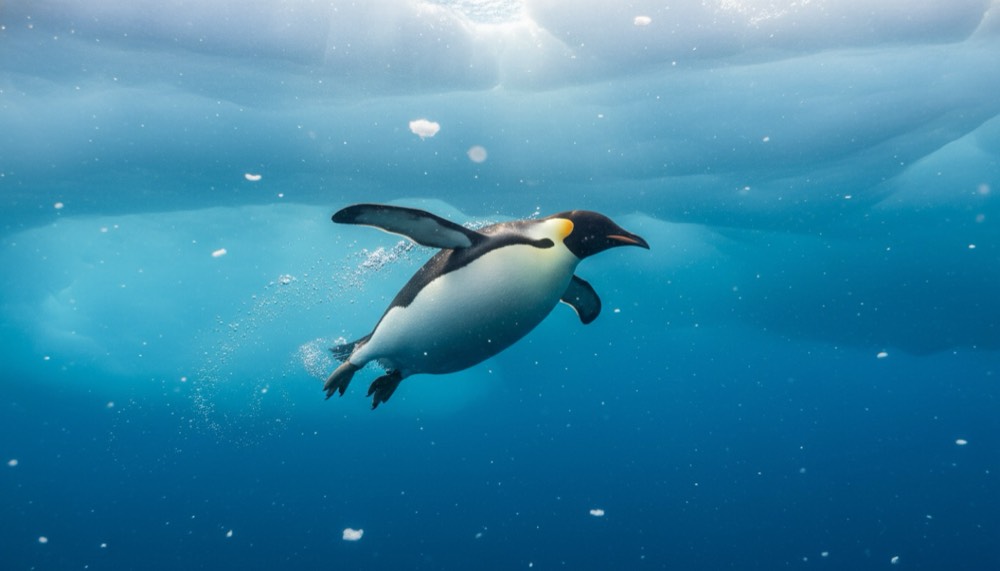
Mom lays one egg, then heads out to sea to fish. Dad tucks the egg onto his feet, under a warm flap of belly skin, and keeps it cozy all on his own — through wind, through dark, through some of the coldest cold on Earth. He doesn't eat anything the whole time.
Can you balance a soft toy on your feet without dropping it, like a penguin dad? (Ask a grown-up to help you balance.)
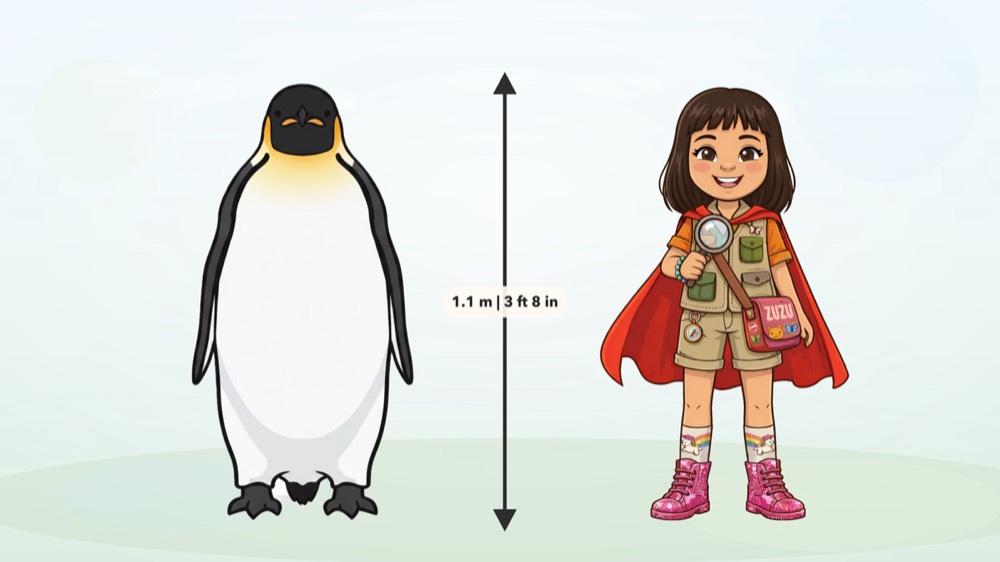
A grown-up emperor penguin stands about as tall as a 5-year-old — a 5-year-old could look one right in the eye!
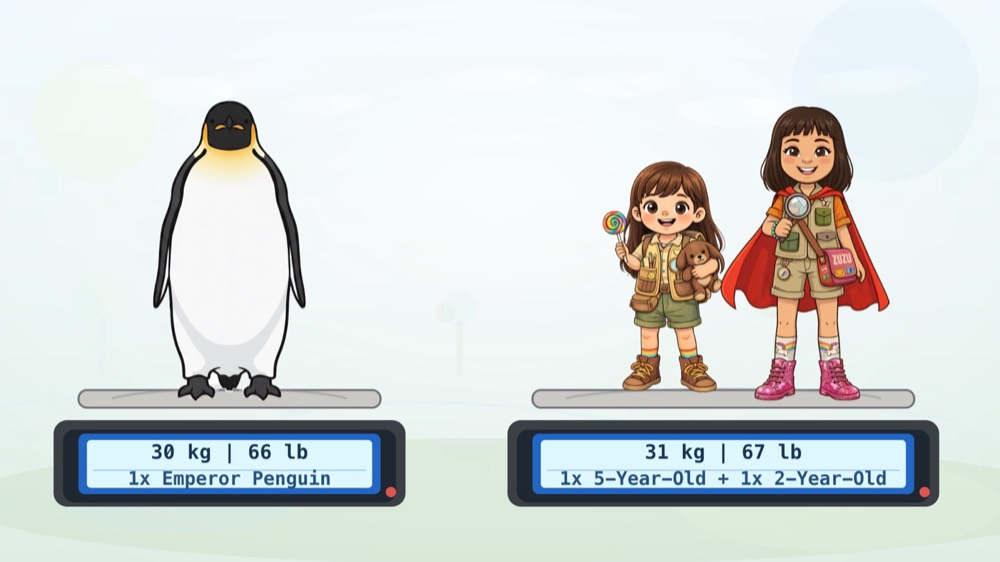
It weighs about as much as a 5-year-old and a 2-year-old put together.
When the chick finally hatches, it's small enough to fit in two cupped hands. If mom isn't back from the sea yet, Dad even makes a special "penguin milk" in his throat for its very first meal.
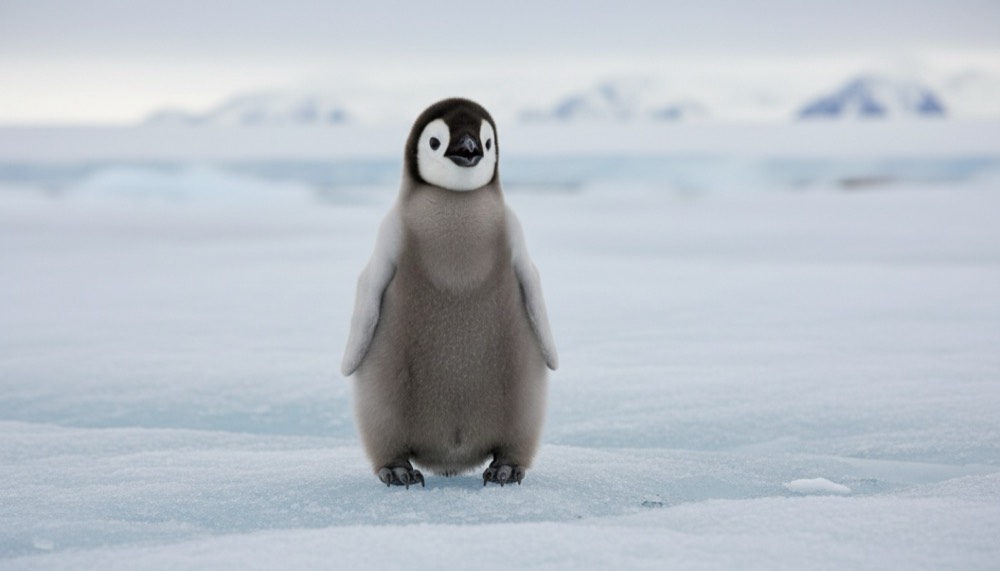
Chicks wear fluffy grey feathers, like tiny pajamas, and gather in big groups while both parents go fishing. In a crowd of thousands of penguins, a parent finds its very own chick by listening for one special call.
When it's freezing outside, whole huddles of penguins squeeze together for warmth, and everyone takes a turn in the toasty middle. Can you huddle up close with your family and take turns being in the middle?
Emperor penguins waddle slower than you walk — so sometimes they just flop onto their bellies and slide across the ice instead. Can you slide like a penguin — on a carpet, not on real ice?
Where to see an emperor penguin
In the wild, emperor penguins live only in Antarctica, on the sea ice around the coast — one of the hardest places on Earth to visit, and out of reach for almost everyone. For the rest of us, emperor penguins are so rare in human care that there's only one place in all of North and South America to see them, and just a handful in the whole world. Here are three.
North America
The Antarctica Realm
SeaWorld Orlando — Orlando, FloridaThe only place in North or South America to see real emperor penguins. They moved here in 2025, and their home is kept below freezing all year round.
Visit the Antarctica Realm →Around the world
Yoyo-chan's family
Adventure World — Wakayama, JapanA Japanese park where emperor penguin families have raised chicks for almost 30 years. Yoyo-chan hatched here in 2025, small enough to fit in a keeper's hands, and is now almost grown up.
Learn more →The Antarctic room
Port of Nagoya Public Aquarium — Nagoya, JapanA big aquarium with a chilly Antarctic exhibit where emperor penguins waddle, swim, and zoom underwater.
Learn more →Animals sometimes move — check the zoo's own website before you visit.
For grown-ups
Emperor penguins are now listed as Endangered (IUCN, April 2026) — a change made because their icy home is warming, and the sea ice is breaking up earlier in spring more often, before chicks have grown the waterproof feathers they need to swim. Satellite counts found the population had dropped by about 10% in just ten years.
There's a hopeful thread in this story. Scientists at the British Antarctic Survey search satellite pictures for the brown stains left behind by huge groups of penguins — that's how they keep finding new colonies, including four more announced in January 2024, bringing the known total to 66. One famous colony, at Halley Bay, was once feared lost when its sea ice broke apart. It turned out the colony had moved about 30 km along the coast and started again. Scientists can now check on every known emperor penguin colony, every year, from space.
This week, try being a penguin scientist together: draw a bird's-eye "satellite picture" of a penguin colony — white ice, one brown patch, and lots of tiny dots — then explain to your family how real scientists find penguins this way.
Starters: "How do you think a penguin dad keeps an egg warm with no nest?" "If you had to find your family in a crowd of thousands, how would you do it?"
If your kid asks are penguins going to be okay? — this holds up: "Penguin families need the ice to stay cold, and the Earth is warming, which worries the people who study them. Lots of people are working hard to help, and every bit of care counts."
Keep exploring
Wild Atlas has a whole page built around this animal, in the Feathered Friends pack — narrated facts, the full scale comparison against a 5-year-old, and how emperor penguins use trumpet calls to find their families.
Meet the emperor penguin in Wild Atlas →
For more, visit WWF's facts about emperor penguins.
 Subscribe and the Farm Friends pack ($3.99) is free — yours to keep even if you unsubscribe.