Happy World Animal Day! Every October 4, people all around the world celebrate the animals we share the planet with. The date is the feast day of St Francis of Assisi, who is remembered as a friend to animals. This year's theme is a lovely one: "See the World Through Their Eyes."
So let's try it. Grab a small explorer, read this one out loud together, and take a trip around the world. Seven continents, one ocean, and a new way of noticing at every stop.
The trip
Stop 1 · Africa
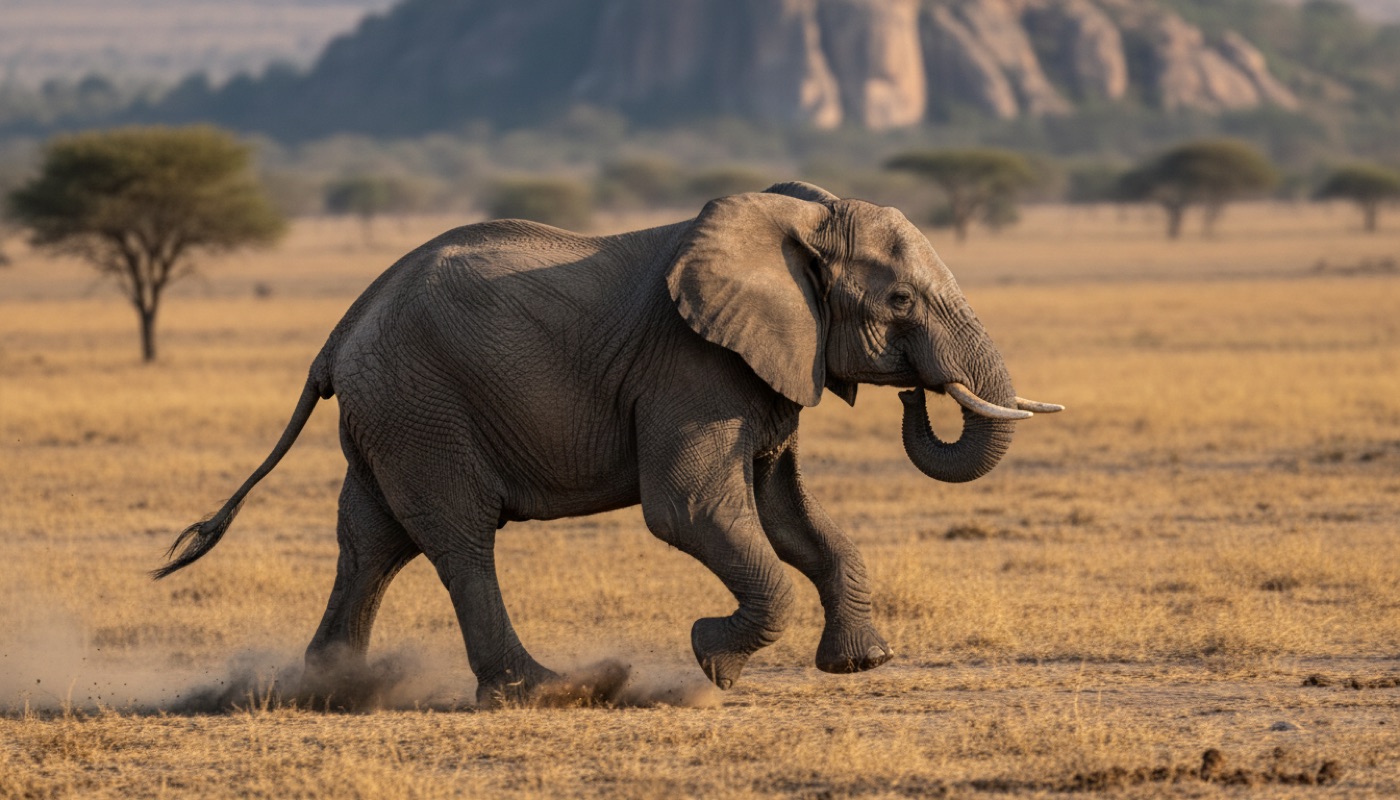
Meet the African elephant. Elephants talk in deep, low rumbles — some so deep that people can't hear them. And scientists think elephants can feel those rumbles through the ground, with their big, soft feet.
Can you put your hands flat on the floor and imagine feeling a faraway rumble?
Stop 2 · North America
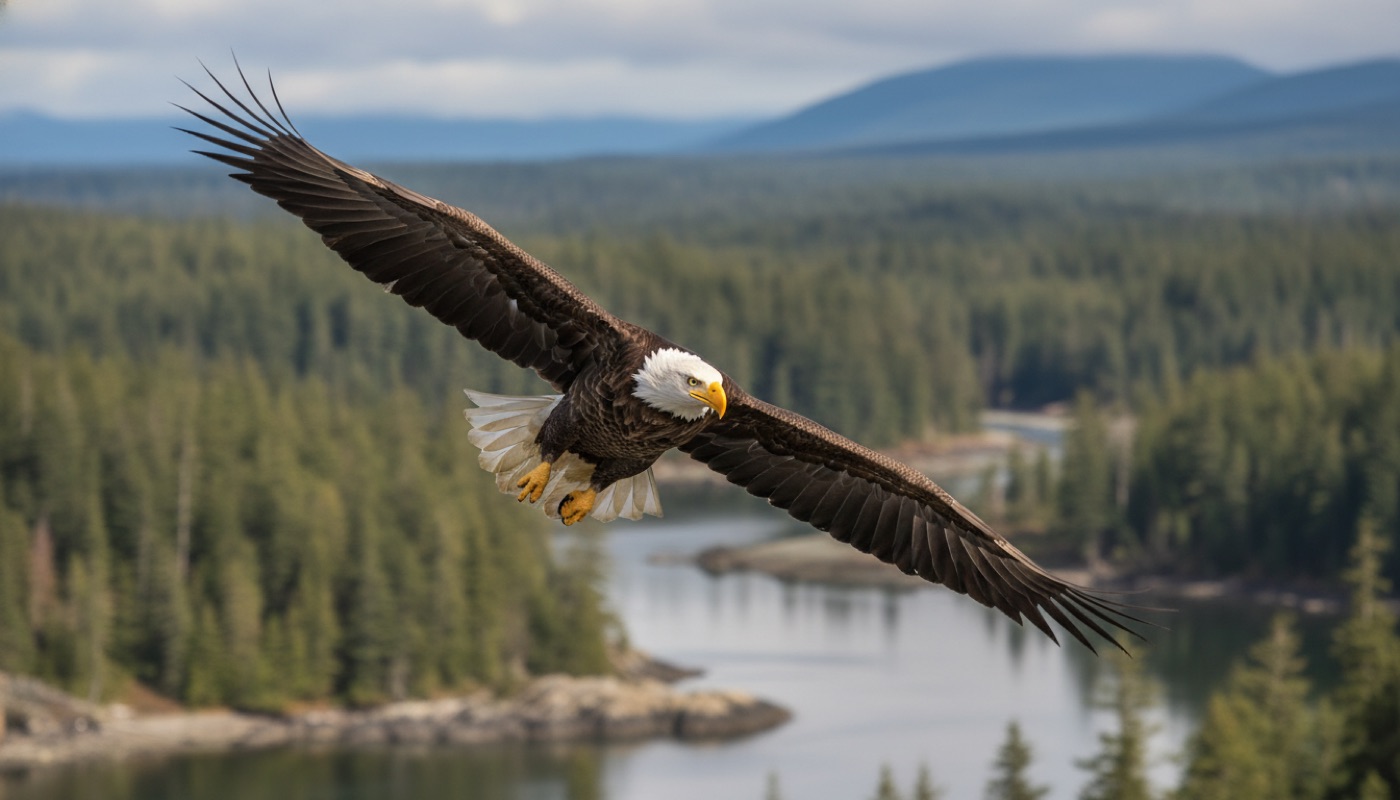
High above the forest flies a bald eagle. Its eyes are much sharper than ours — sharp enough to spot a fish in the water from way up in the sky.
What's the smallest thing you can spot from where you're sitting?
Stop 3 · South America
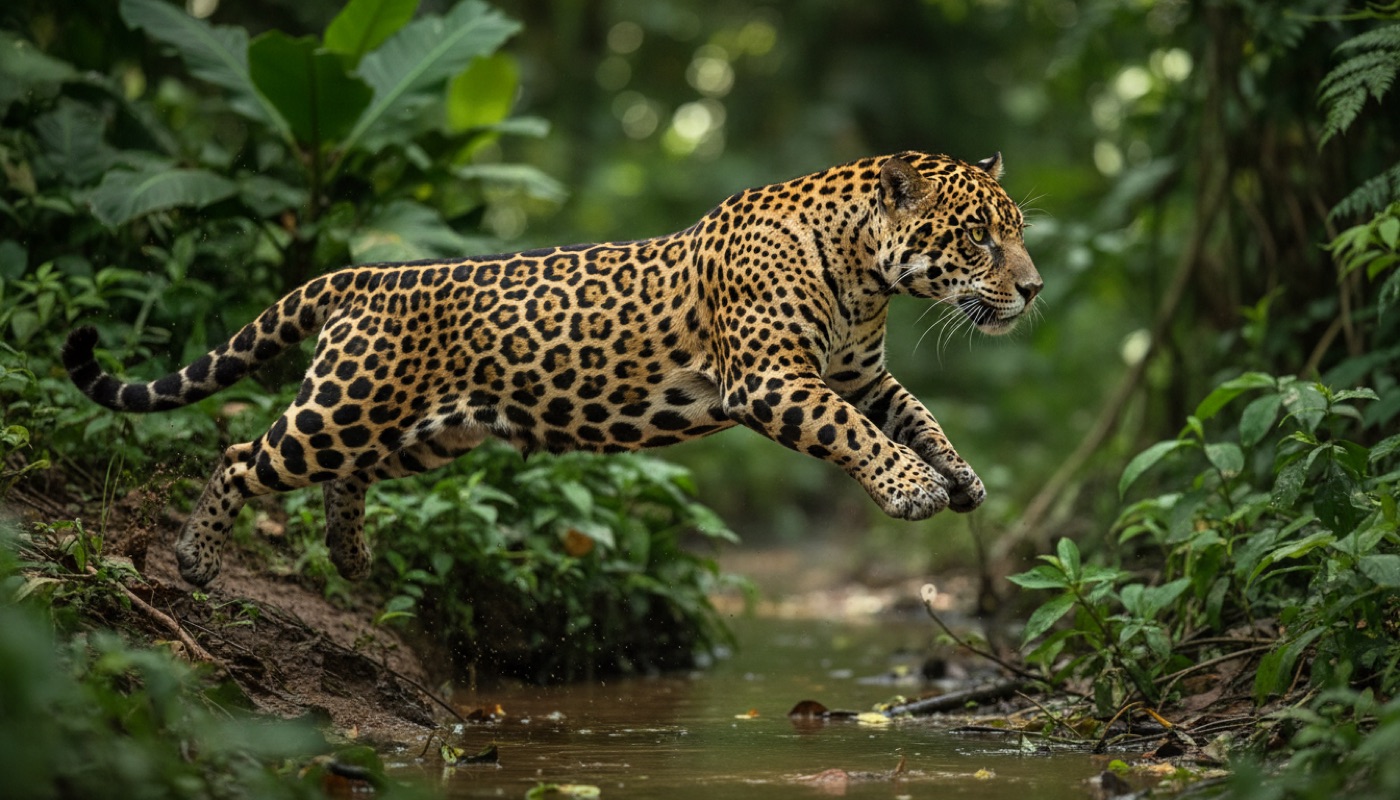
Deep in the rainforest, a jaguar is waking up. Jaguars can see much better in the dark than we can, so the night forest isn't scary to a jaguar. It's home.
Stop 4 · Europe
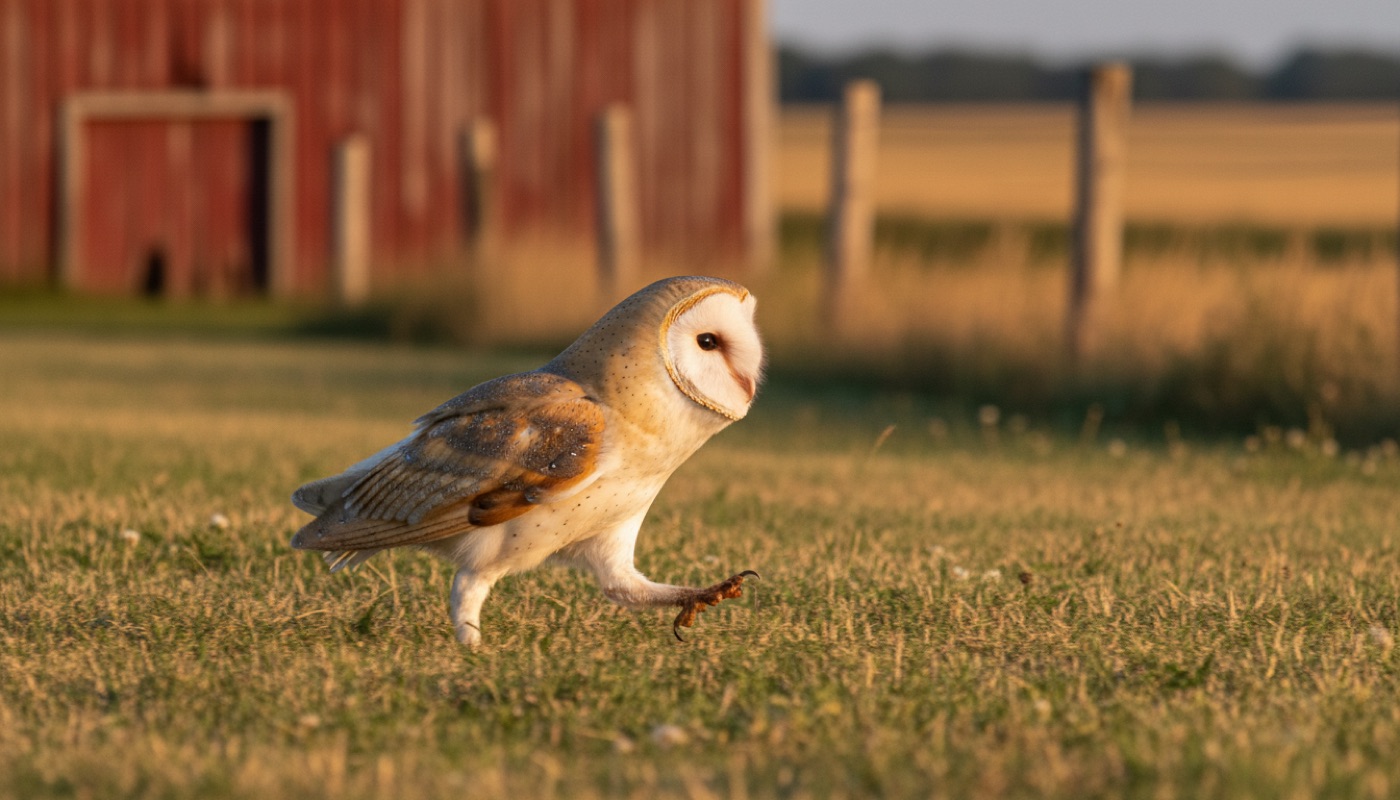
Look at that heart-shaped face! A barn owl's face works like a big dish that catches sounds. A barn owl can find a mouse in complete darkness just by listening.
Close your eyes. What can you hear right now?
Stop 5 · Asia
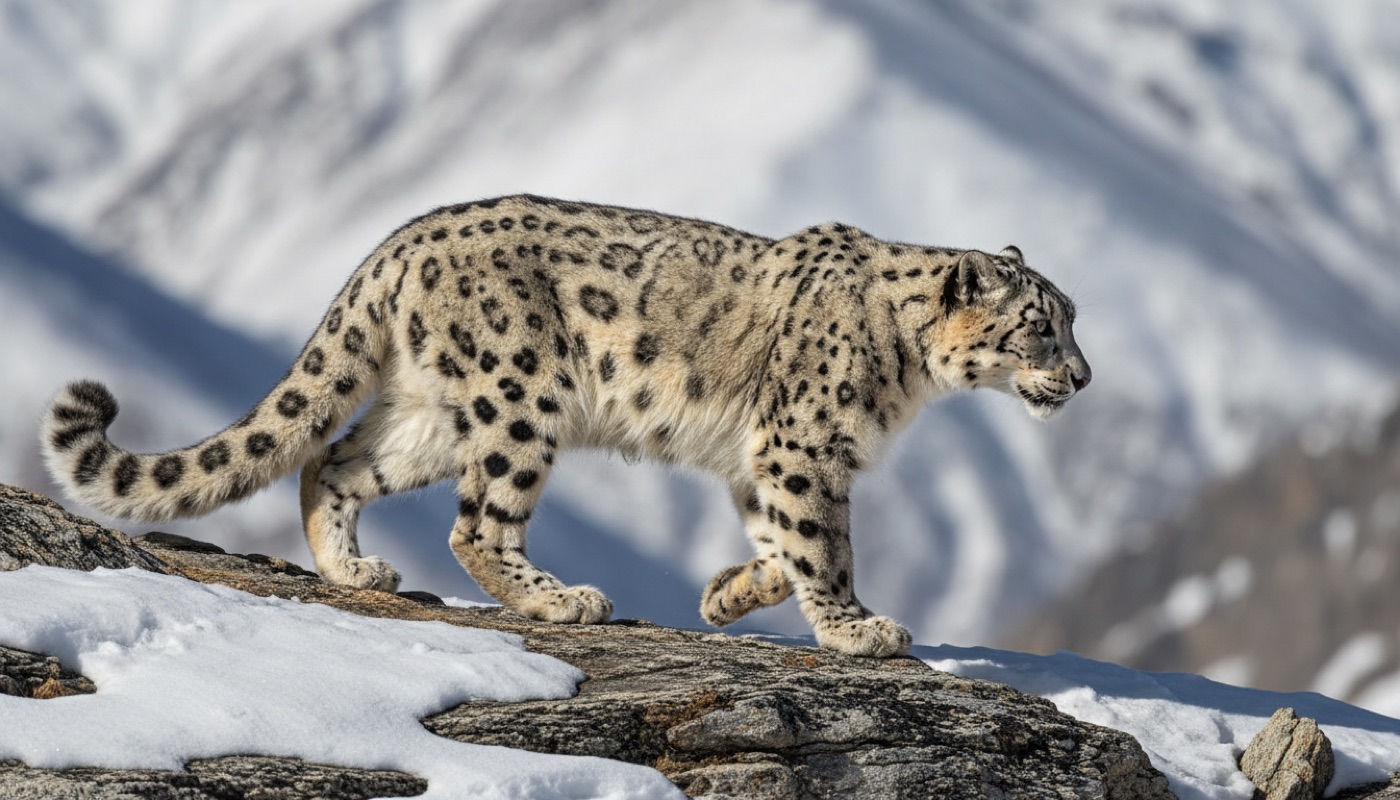
Way up in the snowy mountains lives the snow leopard. Its long, fluffy tail helps it balance on steep, rocky cliffs — and when it curls up to sleep, it can wrap that tail around itself like a cozy scarf.
Stop 6 · Australia
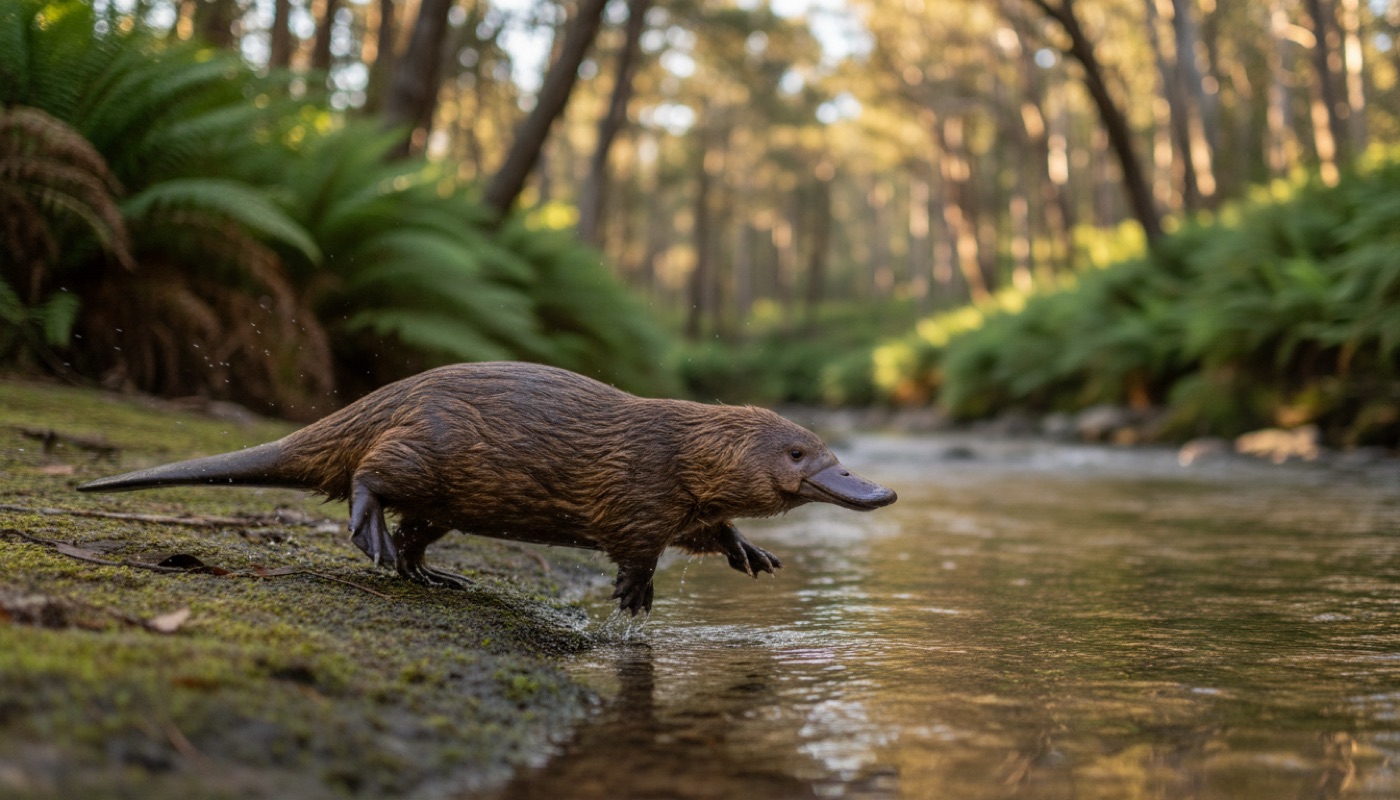
This is a platypus, and it has a superpower. When it dives, it closes its eyes, its ears, and its nose. So how does it find food? Its bill can sense the tiny electric signals made by the little creatures it eats.
Can you imagine finding your snack with your eyes closed?
Stop 7 · Antarctica
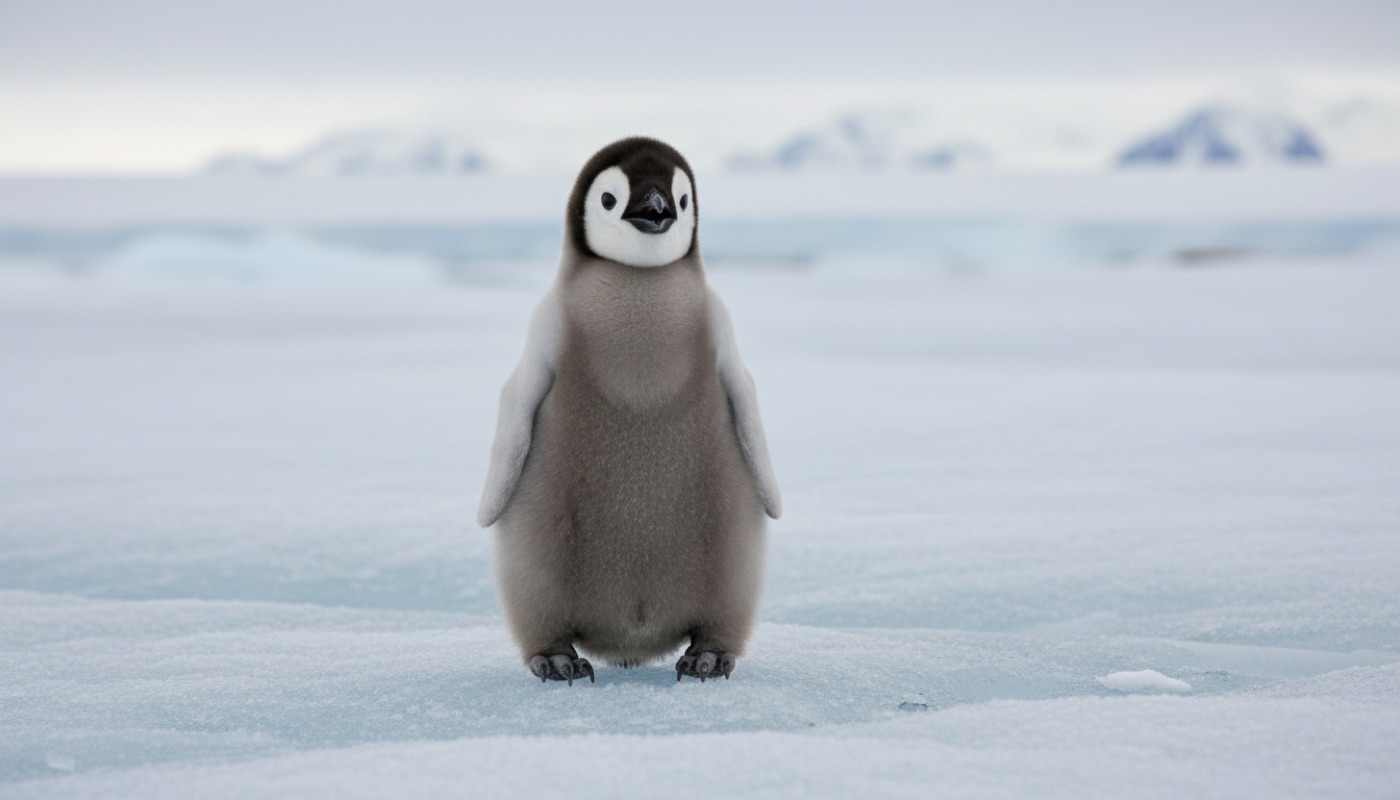
In the coldest place on Earth, thousands of emperor penguins huddle together. Every chick has its own special call, and a penguin parent uses those calls to find their chick in the huddle.
Does your family have a special way of calling you?
Bonus stop · The ocean
And under the sea? An octopus can taste things just by touching them with its arms. Come back on Thursday, October 8 — it's World Octopus Day, and we're meeting the biggest octopus we know of.
That's the whole trip. Seven continents, one ocean — and every animal noticing the world in its own amazing way.
Want to see animals in real life?
Find places to see animals near me →For grown-ups: why we made Wild Atlas
The World Animal Day theme asks us to slow down and see the world from an animal's point of view. That's a big idea, but children do it naturally. Ask a four-year-old what an elephant hears, and they might just put their ear to the floor.
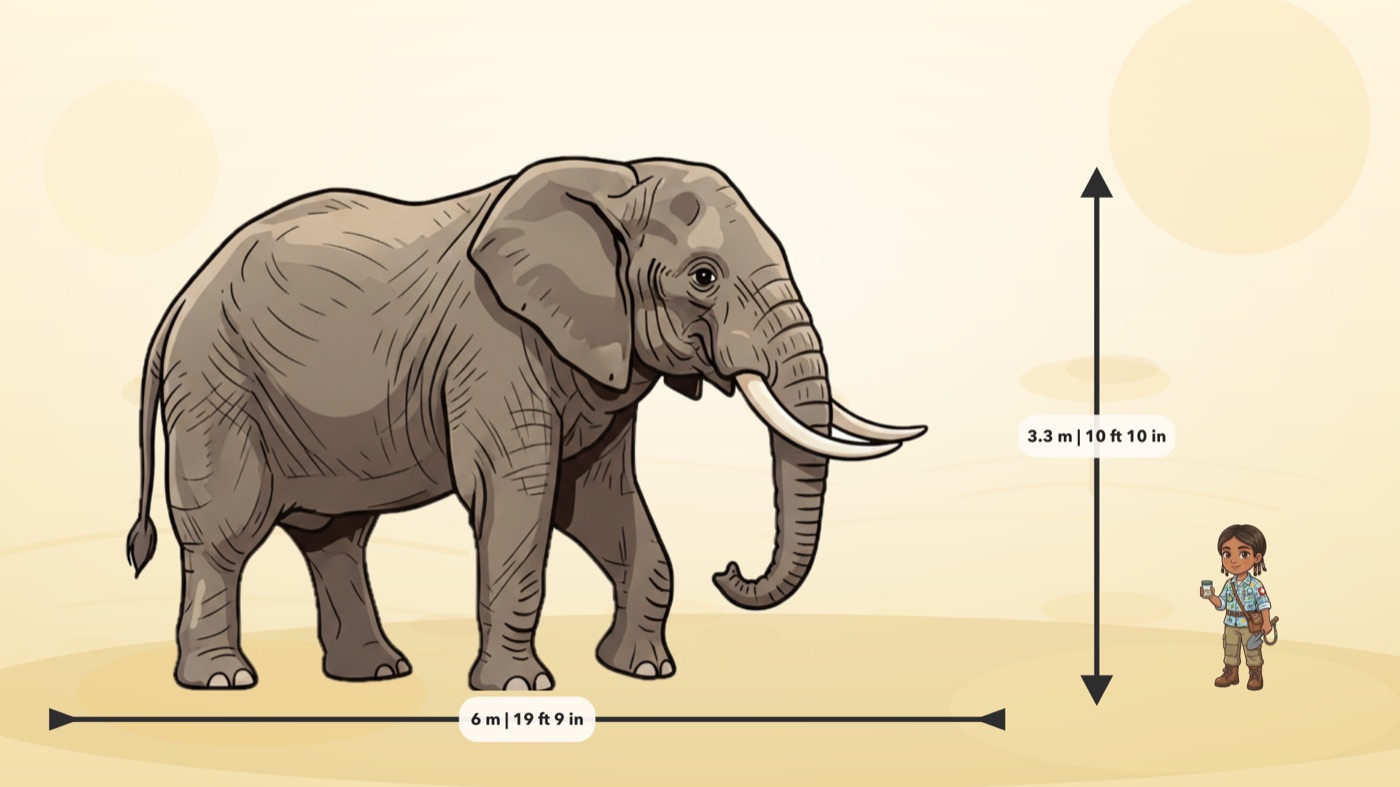
That is the instinct Wild Atlas is built around. We made it hoping children come away more curious than when they started. It has real animals, real facts narrated like a nature documentary, and no algorithm deciding what comes next. A child picks an animal. They hear its story, see how big it is next to them, and find out where in the world it lives. Then they pick the next one.
We believe noticing comes before caring. A child who knows that a penguin parent finds its chick by voice has a reason to wonder about penguins, and a reason to care about the icy places they live.
Three ways to celebrate today:
- Take a "their eyes" walk. Go outside and try being a different animal for five minutes. Be an owl and only listen, or be an eagle and look for the smallest thing you can find.
- Meet a local animal. Find one bird, bug, or squirrel near your home. Where does it sleep? What does it eat?
- Ask the question back. At dinner, ask: "If you could see the world through any animal's eyes, which would you pick — and why?"
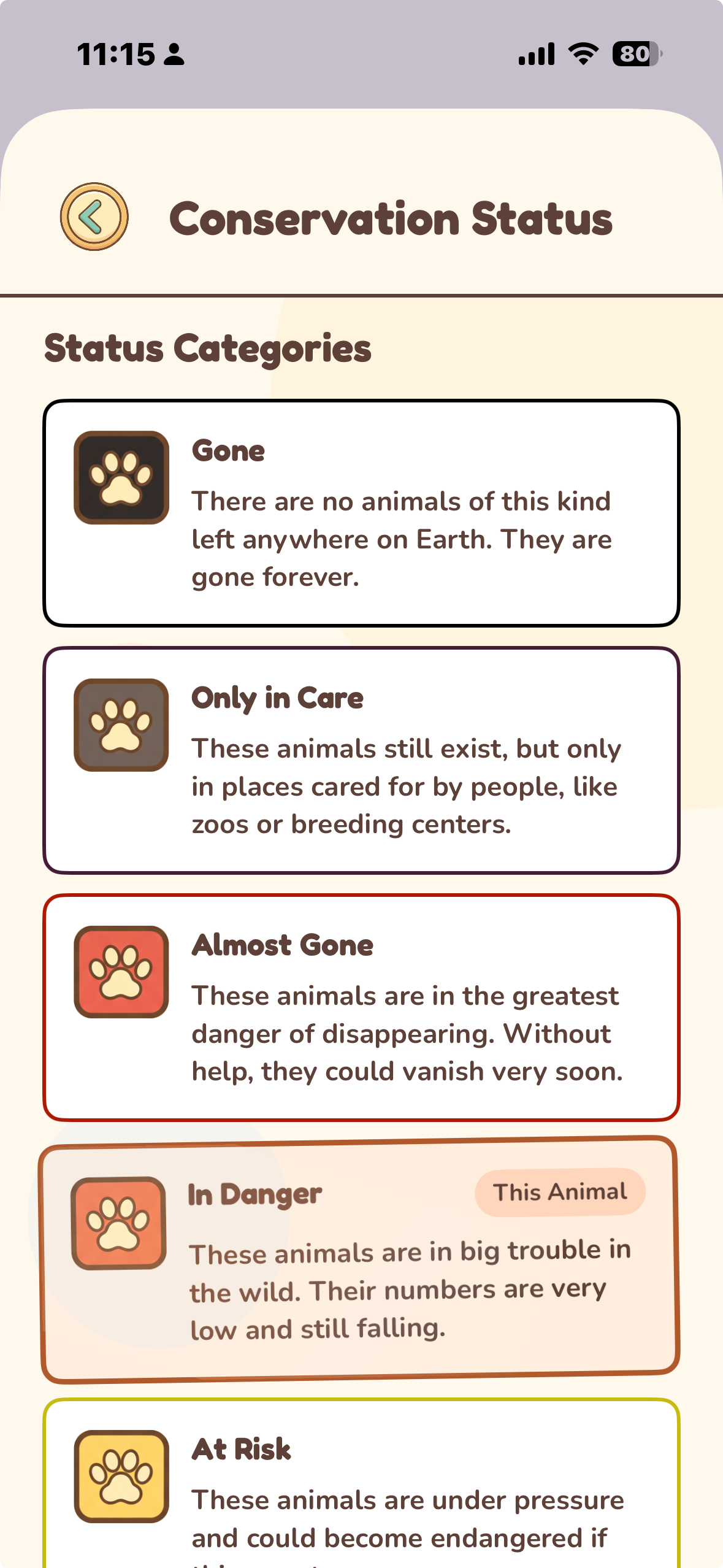
Every animal on today's trip lives in Wild Atlas's animal packs, along with more than 250 others, each with narrated facts to explore. Explore Wild Atlas →
Learn more about World Animal Day and this year's theme at worldanimalday.org.
 Subscribe and the Farm Friends pack ($3.99) is free — yours to keep even if you unsubscribe.