Happy World Anteater Day! Wiggle your nose and stick out your tongue: today is for the animals with the longest noses and tongues around.
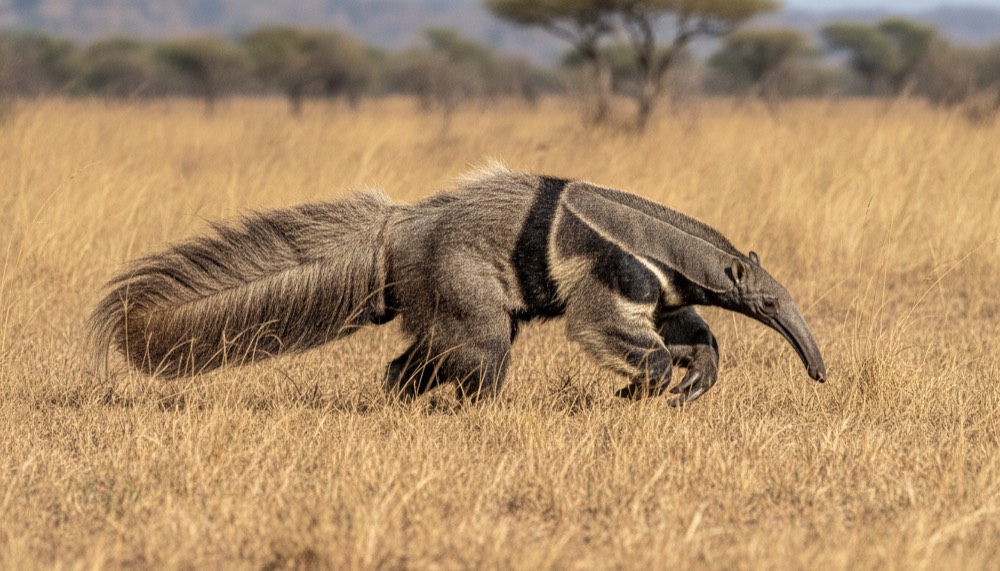
About this day: Established in 2014 by the IUCN SSC Anteater, Sloth & Armadillo Specialist Group. Source
What it celebrates
Anteaters live in Central and South America. They use their long, bendy snouts to sniff out ants and termites, then slurp them up with a very long, sticky tongue.
This day is for learning about all the anteater kinds, from the big giant anteater to the small ones that climb trees.
Why it matters
Anteaters help keep ant and termite numbers in balance, and they're a special part of the grasslands and forests where they live. Scientists who study them are working to learn more and to look after their homes. The more kids know about anteaters, the more friends they have.
Fun facts
- Anteaters have no teeth. They squish their food with their tongue and tummy.
- A giant anteater's tongue can be about 60 centimeters (2 feet) long.
- They flick their tongue in and out very, very fast, around 150 times a minute.
- A giant anteater's bushy tail is like a big blanket that it can curl over itself to sleep.
- Baby anteaters hitch a ride, clinging to their mom's back.
How to join in
Play anteater at home! Use a pretend long nose to sniff around the room, and see how far you can stick out your tongue. (Not too far!) Then see if you can find a picture of a giant anteater and match its stripe pattern.
Have fun with a grown-up exploring the organiser's page below.
Want to see animals in real life?
Find places to see animals near me →Keep exploring
Wild Atlas doesn't have an anteater yet, but anteaters have cousins in the app: the Armadillo (Planet Pioneers pack) and the Sloth (Rainforest Explorers pack). The Pangolin (Legends of the Wild pack) is another ant-slurper. All are paid packs.
Learn more: World Anteater Day, from World Animal Protection
 Subscribe and the Farm Friends pack ($3.99) is free — yours to keep even if you unsubscribe.